
Published: Apr 29, 2026
How to Apply for a Dentist SBA Loan: Financing Your Dental Practice
We’ll walk you through how to apply for dentist SBA loans step-by-step in this article
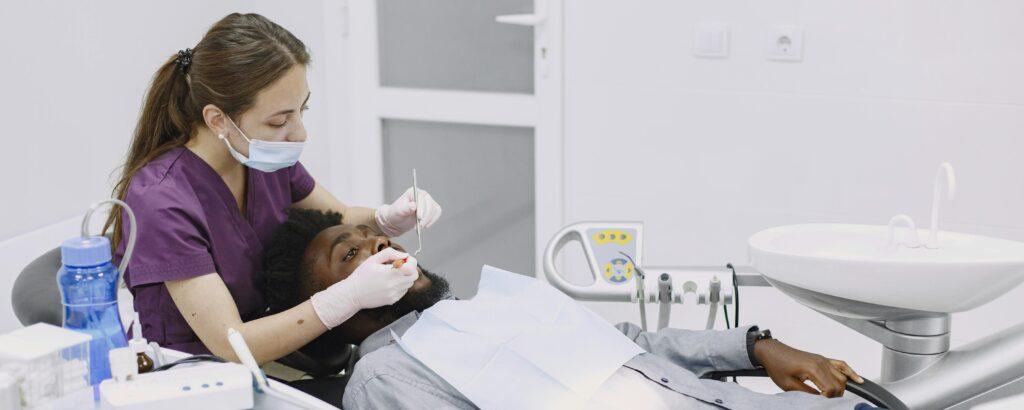
Are you thinking about starting your own dental practice? You’re not alone. Around 200,000 dentists across the United States are looking to start, expand, or purchase a practice. The catch? Dentists often need to invest $350,000 or more to get started.
That’s where an SBA loan for a dental practice comes in. These small business loans for dentists give you up to $5 million with favorable terms and flexible use of funds. SBA dental loans can help whether you need dental practice financing for a business acquisition, real estate, equipment, working capital, or construction.
We’ll walk you through how to apply for dentist SBA loans step-by-step in this piece.
What is an SBA Loan for Dentists
Overview of SBA Dental Practice Financing
Banks and financial institutions issue SBA loans, but the U.S. Small Business Administration partially guarantees them. The SBA doesn’t lend money directly. Instead, it backs between 50% and 90% of the loan amount, which makes lenders more willing to approve financing for dental practices that might not qualify for conventional loans.
This government guarantee changes the game for dentists. Traditional banks often hesitate to finance high-cost dental equipment or practices with limited operating history. The SBA backing reduces lender risk and opens doors that would otherwise stay shut.
You’ll encounter two main programs: the SBA 7(a) and SBA 504 loans. Both serve dental practices but with different strengths. The SBA 7(a) program is the SBA’s primary business loan option, offering amounts up to $5 million. It’s the Swiss Army Knife of dental practice financing. The 504 program focuses on real estate and major fixed assets, with loan amounts reaching $12.5 million.
The process moves faster when you work with a Preferred Lender. These lenders hold PLP (Preferred Lender Program) status, which means they can make final credit decisions on behalf of the SBA without submitting full applications for approval. Therefore, loan processing times shrink compared to non-preferred lenders.
Why Dentists Choose SBA Loans
Here’s something that might surprise you: dentists ranked #20 in SBA loan volume for 2025. These are professionals traditionally viewed as well-capitalized and prime candidates for conventional financing. So what’s driving this change?
Modern dental practices face equipment costs that would make your head spin. A CBCT scanner alone can run six to seven figures. Digital imaging systems and in-house lab equipment are no longer optional. They’re needed to stay competitive. Banks often balk at financing these high-cost, depreciating assets. SBA loans provide a viable path forward.
Cash flow presents another challenge. Insurance companies, Medicare, and Medicaid create long reimbursement cycles. You provide services but wait weeks or months to get paid. This gap makes traditional loan payments harder to manage. SBA loans offer breathing room with their longer repayment terms and flexible structures.
The benefits stack up quickly:
- Lower down payments: Most SBA loans require only 10% down, preserving capital for other practice needs
- Extended repayment terms: 10 years for equipment, 25 years for real estate
- Competitive interest rates: Usually lower than conventional business loans
- Flexible fund usage: Equipment, renovations, working capital, and practice acquisitions
Banks are also tightening lending policies. Economic uncertainty and regulatory pressure mean stricter requirements: personal guarantees, cash reserves, and large down payments. This pushes dental professionals toward SBA-backed options that offer more reasonable terms.
SBA 7(a) vs SBA 504 Loans
The 7(a) loan is your go-to for versatility. You can use it for practice acquisition, equipment purchases, working capital, renovations, or debt refinancing. Loan amounts range from $50,000 to $5 million. Repayment terms stretch to 10 years for equipment and working capital, or 25 years for real estate purchases.
Interest rates on 7(a) loans can be fixed or variable and are based on the prime rate, typically ranging from prime + 1% to prime + 3%. Unlike 504 loans, you’ll work directly with your bank on all loan requests.
The 504 loan program takes a different approach. It’s designed for owner-occupied commercial real estate and heavy equipment with at least 10 years of useful life. The loan structure involves three parts: 50% from a bank, 40% from a Certified Development Company (CDC), and 10% down payment from you.
The 504 loans offer fixed interest rates pegged to U.S. Treasury bonds. This stability helps with long-term planning. The maximum amount is $12.5 million, higher than 7(a) loans. Repayment terms of 10, 20, or 25 years are available based on the asset’s useful life.
You cannot use 504 loans for working capital or inventory. They’re for fixed assets only. Because of this limitation, many dentists choose 7(a) loans when they need flexibility or are combining multiple financing needs. But if you’re buying your building and want a fixed rate with minimal down payment, the 504 program often wins.
Types of SBA Dental Practice Loans
Choosing the right dental practice loan starts with understanding what each program funds. The three main SBA options serve distinct purposes, and picking the wrong one can cost you time and money.
SBA 7(a) Loans for Dental Practices
The 7(a) program handles the heavy lifting for most dental practice financing needs. Standard loans range from $50,000 to $5 million. These funds cover practice acquisition, equipment purchases, working capital (both short-term and long-term), and debt refinancing.
Consider buying out a retiring partner. Your dental partner decides to move to Florida and you need to purchase their stake in the practice, but you don’t have $300,000 sitting in your checking account. An SBA 7(a) loan for dentist buyouts covers this scenario. The loan funds the goodwill, intangible assets and equipment transfer without draining your reserves.
A new dental practice built from scratch qualifies for 7(a) financing that covers construction costs, furniture, lighting and security systems. One Philadelphia dentist used a 7(a) loan to finance a complete office modernization that included a new 360-degree X-ray unit and diagnostic tools. The longer repayment terms meant he could upgrade his practice without disrupting cash flow.
You can refinance existing practice debt under 7(a) eligibility if the original debt was used for SBA-approved purposes like real estate or working capital. Personal expenses cannot be refinanced.
Repayment terms vary by asset type. Real estate loans stretch to 25 years, and equipment and working capital loans max out at 10 years. Interest rates range from prime + 1% to prime + 3%, though rates fluctuate based on loan size and lender spreads.
You’ll need extensive documentation. Year-to-date balance sheets, three years of business tax returns, business licenses, projected financial statements covering three years, and personal tax returns for owners with 20% or greater equity are required.
SBA 504 Loans for Real Estate
The 504 program targets owner-occupied commercial real estate and heavy equipment with at least 10 years of useful life. Maximum loan amounts reach $12.5 million, which runs higher than 7(a) loans.
The loan structure splits three ways: a bank provides 50%, a Certified Development Company contributes 40%, and you put down 10%. This arrangement preserves working capital. Conventional loans often demand 20% to 30% down, but 504 loans require only 10% for most established practices.
U.S. Treasury issues determine the fixed interest rates and protect you from market swings. One dental equipment service company owner in the Western U.S. secured a 25-year fixed rate when purchasing a 2,700 square-foot industrial condo. His monthly payments stayed constant and eliminated any surprise from fluctuating occupancy costs.
Repayment terms of 10, 20, or 25 years align with the asset’s useful life. A building purchase gets 25 years, and major equipment might get 10 or 20 years depending on expected service life.
The 504 program won’t cover working capital or inventory. These loans are meant to buy fixed assets. Working capital to cover payroll gaps between insurance reimbursements won’t qualify under the 504 program.
SBA Microloans for Equipment
Microloans cap at $50,000, though the average loan is about $13,000. Nonprofit, community-based intermediary lenders provide these smaller amounts rather than traditional banks.
Microloans cover working capital, inventory, supplies, furniture and equipment. A new practice needing exam chairs, sterilization equipment and basic diagnostic tools might find a $30,000 microloan covers setup costs.
Interest rates fall between 8% and 13%, and repayment terms run up to seven years. The application process is often faster and less stringent than standard SBA programs, which makes microloans attractive for first-time practice owners or those who can’t secure conventional financing.
Two restrictions apply: microloan proceeds cannot pay existing debts or purchase real estate. These loans work best for startup costs, minor renovations and equipment purchases under $50,000.
Eligibility Requirements for Dentist SBA Loans
Getting approved for an SBA loan for dental practice depends on meeting specific financial and operational standards. Banks want proof you can repay the loan, and the SBA wants confirmation you’re a creditworthy business owner. Here’s what lenders look for when you apply.
Credit Score Requirements
Every lender’s checklist puts your personal credit score near the top. Most SBA 7(a) lenders require a minimum score of 660. Banks and traditional lenders typically want 680 or higher. A solid score above 700 improves your approval odds.
Dental-specialized lenders show more flexibility. Many accept scores starting at 650. Some dental-focused banks may work with 630 or above given your professional profile. Higher scores still matter.
Credit challenges don’t disqualify you automatically. Lenders weigh your full financial picture, including cash reserves, practice revenue, and management experience. Therefore, a 620 score paired with strong practice financials often outperforms a 720 score with weak cash flow.
Time in Business or Practice Experience
Banks prefer practices with at least three years of operating history. This track record demonstrates financial stability and your ability to manage a dental business. New practices can still qualify, but lenders dig deeper into your clinical background and business plan.
Most dental practice lenders accept businesses operating for a minimum of six months. Fresh graduates face different expectations. Lenders want to see your residency completion documentation and a placement letter that confirms your employment. Your production as an associate matters substantially.
For example, if you’re buying a practice that collects $1.2 million annually but you’ve only produced $500,000 as an associate, banks will ask how you plan to close that gap. You need production reports from your current position ready. Lenders want concrete evidence you can replace the departing dentist’s output.
Revenue and Cash Flow Requirements
Revenue thresholds vary, but most business lenders require at least $100,000 in annual practice revenue. The debt service coverage ratio (DSCR) matters more. Banks want to see 1.25x DSCR at minimum. Your practice must generate 25% more cash flow than needed to cover all debt obligations, including student loans.
Down payments are typically 10% for SBA loans. Startups need larger reserves. Most banks want to see $40,000 to $50,000 in your account before approving a new practice loan. This cash cushion proves you can handle unexpected expenses during the ramp-up phase.
Practice-specific metrics matter. Lenders assess active patient count (1,200 to 1,500 patients who visited within 18 to 24 months), overhead percentage (under 70% preferred), collection rate (98%+ of adjusted production), hygiene production (30% to 40% of total revenue), and new patient flow (15 to 25+ monthly).
Personal expenses affect approval. Keep monthly obligations like mortgage, student loans, car payments, and credit cards between $5,000 and $6,500. Higher debt loads tighten approval standards. Avoid large purchases like expensive homes or luxury car leases right before you apply.
Documentation You’ll Need
SBA dental loan applications require extensive paperwork. Business documents include your business plan, three years of business tax returns, year-to-date profit and loss statement, balance sheet, business debt schedule, and projected financial statements for three years.
Personal documents for all owners with 20% or greater equity include four years of personal tax returns, personal financial statement (SBA Form 413), resume, and three months of bank statements that show cash equity. You’ll also complete SBA Form 1919 (borrower information) and SBA Form 912 (statement of personal history).
Additional items vary by loan purpose. Practice acquisitions need a purchase agreement or letter of intent. Real estate purchases require property appraisals and detailed build-out budgets. Equipment financing needs equipment lists with costs and expected useful life.
Preparing Your Dental Practice Loan Application
Preparation can separate approved applications from rejected ones. Start building your loan package months before you need the money.
Gather Financial Statements and Tax Returns
Lenders request three years of business tax returns for your practice. Your personal tax returns serve this purpose if you operate as a sole proprietor. Include every page: covers, signatures, schedules and attachment letters. Tax years that don’t match between your returns and loan application cause immediate delays.
Banks require current financial statements dated within 90 days of your submission date. You need a year-to-date balance sheet, profit and loss statement and cash flow statement. Banks will request updated statements before closing if your loan process drags past 90 days.
Your profit and loss statements for the past three years show revenue trends and expense patterns. Lenders compare these against your tax returns to spot inconsistencies. Any discrepancies between what you reported to the IRS and what you’re showing the bank will trigger questions. Prepare explanations for unusual fluctuations or one-time losses beforehand.
Gather three to six months of practice bank statements and production reports from your practice management software like Dentrix or Eaglesoft along with business documents. If you’re acquiring a practice and the seller collects $1.2 million a year while you’ve produced just $500,000 as an associate, lenders want to see how you’ll close that gap. Production reports from your current position prove your capability.
Create a Business Plan
Your business plan doesn’t need to rival a doctoral thesis, but it should answer critical questions. Can you describe your practice in detail? Do you have a useful marketing plan? What’s your growth strategy?
Show how the loan amount fits the opportunity for practice acquisitions. Include the practice’s current financial position, existing debt, updated lender information and a break-even analysis. Add market analysis showing what competitors are doing right or wrong.
Startups need revenue and expense projections for at least three years. Use past performance if you have it, otherwise build realistic month-by-month forecasts. Your projections must tie directly to a line-item budget explaining every dollar of your loan request.
Organize Practice Documents
Complete SBA Form 1919 (borrower information), Form 912 (personal history statement) and Form 413 (personal financial statement). These forms assess your creditworthiness and repayment ability.
Include your business licenses, articles of incorporation and partnership agreements or DBA filings. Practice acquisition deals need a signed purchase agreement or letter of intent. Real estate purchases require property documentation.
Build Your Liquidity Position
Most banks require $40,000 to $50,000 in cash reserves before approving financing for startups. Practice acquisitions typically need 10% of the purchase price as a down payment. Banks often look for 10% of the practice price in total liquidity.
Here’s something counterintuitive: high debt with high liquidity beats low debt with low liquidity. Your lending eligibility weighs more on cash flow and savings than debt load. Save money instead of paying down student loans aggressively when planning a practice purchase.
Target six months of combined business and personal overhead in liquid savings. Retirement accounts don’t count toward this figure, so keep funds in available savings and investment accounts.
Review Your Personal Credit
“Be bankable” means a lender reviewing your financial picture tomorrow would want to work with you. Keep your credit score above 700, manage debt responsibly and maintain strong income from associate work.
Avoid large personal purchases before applying. A million-dollar house or luxury car lease right before your loan application raises red flags. Keep monthly personal obligations between $5,000 and $6,500. This includes mortgage, student loans, car payments and credit cards. Beyond that range, approval becomes substantially tighter.
Step-by-Step SBA Loan Application Process
Application timelines matter more than you might think. The SBA 7(a) loan process takes between 45 and 90 days, depending on complexity and paperwork volume. That’s six to twelve weeks from first contact to funding. Plan accordingly.
1. Get Pre-Qualified with Lenders
Pre-qualification separates serious buyers from window shoppers. Submit basic documents that will then be given a once-over by the lender. This quick assessment determines if you meet baseline SBA eligibility requirements without pulling credit.
A lender will follow up one-on-one to discuss your financing options based on your practice goals. You’ll need three years of business and personal tax returns, business interim financials within 120 days, and organizational documents like operating agreements or bylaws. Get pre-qualified before making an offer when acquiring a practice. The last thing you want is signing a letter of intent and then facing loan denial.
2. Choose the Right SBA Loan Program
Match the loan program to your specific needs. The SBA 7(a) loan offers flexibility and faster funding, perfect for working capital, equipment, or practice purchases. The SBA 504 targets large fixed asset investments like real estate and major renovations.
3. Submit Required Documentation
Package everything together: tax returns, financial statements, business plan, equipment quotes, and legal documents. Your Business Development Officer handles the review. Most common delays come from missing or incomplete documentation.
4. Wait for Underwriting and Approval
Underwriting is the stage you have the least amount of control over. The underwriting team will analyze your documents, and may request more. They’ll perform a hard credit pull and ask detailed questions about financial performance. Complex loans with multiple businesses or lots of fixed assets can take up to two months, but prepared applications can move to closing in less than two weeks.
5. Close on Your Loan
The closing process usually takes at least a month. You’ll work with the lender gathering final details: business valuations, property appraisals, life insurance documents, and escrow paperwork with title work. Funds disburse based on your loan purpose. Working capital deposits into your account, while acquisition proceeds go to the seller.
What Happens After You Apply
Submission doesn’t mean you’re done. The work to be done begins once your dental practice financing package hits the underwriter’s desk. Here’s what unfolds behind the scenes.
Underwriting Timeline and Process
Underwriting inspects every aspect of your financial life. The process takes one to three weeks, though complex loans stretch to a month or longer. Lenders get into your personal and business credit history through hard credit pulls. They verify collateral values and review other debts you carry. They analyze revenue history against projections.
Your responsiveness matters. Underwriters send document requests based on your specific loan criteria. Answer questions quickly and accurately. Delays happen when borrowers go radio silent or submit partial information. The SBA underwriting process can take less than 30 days if you’re prepared with documentation.
The financial analysis digs deep. Underwriters compile findings into a credit memorandum. This memo details risk factors and financial performance. It shows how your practice fits SBA guidelines. Acquisition loans might take 45 to 60 days to close. Startups take longer and depend on lease negotiations and construction timelines.
Closing and Fund Disbursement
Final closing takes one to two weeks. The bank completes final verifications: title searches and environmental reports. Lien searches confirm other creditors. You’ll review and sign closing packages before funds release.
Disbursement depends on loan purpose. Working capital deposits into your business account. You can use it right away. Acquisition proceeds go straight to sellers or third parties per SBA requirements.
Tips to Increase Your Approval Chances
Approval odds improve when you demonstrate financial discipline and practice management skills. Lenders don’t just check boxes on requirements. They assess your overall risk profile and readiness to manage debt.
Show Strong Financial Management
Credit scores tell half the story. Target a FICO score of 725 or above to have the highest chance of approval. Pay every bill on time and keep revolving debt usage low. Maxing out credit cards or lines of credit signals financial stress.
Build liquidity. Lenders want to see at least 5% of the loan amount in liquid cash, even with 100% financing available. Startups should maintain $40,000 to $50,000 in available accounts. Retirement savings don’t count here. You need cash you have easy access to.
Keep personal expenses lean. Monthly obligations (mortgage, student loans, car payments and credit cards) between $5,000 and $6,500 put you in a strong position. Approval tightens beyond that range. Avoid buying million-dollar houses or luxury car leases right before you apply.
Demonstrate Practice Viability
Production numbers matter substantially. Lenders focus heavily on Debt Service Coverage Ratio (DSCR) and require a minimum of 1.15x within the first two years. Most lenders target 1.25x or higher. Prepare to explain how you’ll close the gap if you’re acquiring a practice that collects $1.2 million but you’ve only produced $500,000 as an associate.
Work with Lenders with Dental Loan Experience
SBA Preferred Lenders process loans faster and improve approval chances. Many of these institutions understand dental industry cash flow patterns and don’t view student debt negatively. Lender-matching platforms like 7aSavvy connect you with lenders who specialize in dental practice financing.
Address Student Loan Concerns
Student debt doesn’t prevent approval. Payment history matters far more than balance. Making payments on time positively affects your approval chances. Avoid forbearance to dodge repayment. Banks expect dental professionals to carry significant student loans and factor this into their analysis, so they won’t hold it against you.
Common Mistakes That Delay Approval
Even strong dental practice financing candidates stumble over preventable errors. These mistakes add weeks to your timeline or trigger denials.
Not Getting Pre-Qualified First
If you make an offer on a practice without pre-qualification, you’re asking for trouble. You lock yourself into a purchase agreement and then find you don’t qualify for the loan amount you need. Pre-qualification conversations take minimal time and give you borrowing capacity estimates before commitments. Start these discussions even while you’re still in residency.
Missing or Incomplete Documentation
Incomplete documentation is the number one reason SBA loan applications stall. Missing tax returns, unsigned forms or inconsistent financial statements force underwriters to request items in rounds. Each round adds one to three weeks. Revenue on your profit and loss statement that doesn’t match tax returns raises red flags and can trigger credibility-based declines.
Poor Credit Management
Late credit card payments derail solid applications. Most lenders want FICO scores of 680 or better. One missed payment tanks your score and signals financial stress. Check all credit bureaus in advance and fix errors.
Misunderstanding Loan Terms
Non-compete agreements and legal clauses confuse many dentists. Applying for the wrong SBA program delays approval. A 7(a) loan works for working capital; a 504 loan doesn’t.
Not Having Professional Advisors
If you build your project without a knowledgeable team, you’ll face frustration. Hire dental-experienced CPAs and attorneys.
Conclusion
You now have a roadmap to secure dental practice financing through SBA loans. These government-backed programs provide amounts up to $12.5 million with lower down payments and extended terms that conventional loans can’t match.
Preparation matters most. Gather your documentation early, build your cash reserves and maintain good credit. Platforms like 7aSavvy connect you with experienced lenders who understand dental practice financing.
Start conversations with lenders months before you need funding. Get pre-qualified early. Fix documentation gaps now, not during underwriting.