
Published: May 29, 2026
How to Apply for Gas Station SBA Loan: A Step-by-Step Guide for First-Time Buyers
This article walks you through the whole process, from gathering documentation to closing your gas station SBA loan.
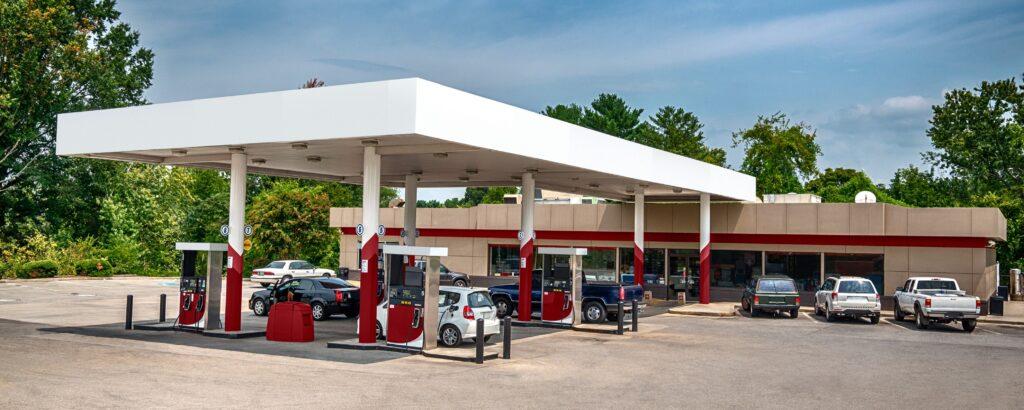
Want to know how to apply for gas station SBA loan financing? You’re joining thousands of gas station owners in the United States. Here’s what makes this option attractive: SBA 7(a) loans offer up to $5 million with terms that stretch 10 to 25 years. In fact, one business owner we’ve worked with reduced their monthly payment by 23% and saved $21,000 each year. Your first step is to understand gas station SBA loan requirements. This piece walks you through the whole process, from gathering documentation to closing your SBA loan for gas station purchase.
Understanding Gas Station SBA Loan Options
Gas station financing through the SBA comes in two main forms. Each serves different business needs. Pick the wrong one and you’ll waste time and money.
What is an SBA 7(a) Loan
The SBA 7(a) loan is the most flexible financing option for gas station owners. You can borrow up to $5 million for any business purpose. This covers purchasing an existing station, buying equipment, ground-up construction, working capital needs, or refinancing debt.
Interest rates tie to the prime rate plus a spread, typically in the range of prime + 1% to prime + 3%. Loans over $350,000 have rates that cap at the base rate plus 3.0%. Repayment terms go up to 25 years for real estate purchases and 10 years for equipment or working capital. The down payment requirement is 10%. This is much lower than conventional commercial loans that demand 20% or more.
The 7(a) handles multiple transaction types in one package. You can roll together the business acquisition, real estate purchase, equipment costs and inventory into a single loan. This is important when you’re buying a station with real estate. The structure becomes your first mortgage with one monthly payment.
Prepayment penalties apply only on terms over 15 years. Year one has a 5% penalty on the outstanding balance. Year two drops to 3% and year three falls to 1%. After three years, you pay nothing extra to settle the loan early.
What is an SBA 504 Loan
The 504 loan is for fixed asset purchases. You’re looking at commercial real estate and long-term equipment with at least 10 years of useful life remaining. Maximum funding reaches $11.25 million and climbs higher for projects that qualify under the SBA’s Green Energy Program.
Here’s where 504 loans differ: they split into three parts. A conventional lender gives 50% of the purchase price. A Certified Development Company contributes 35%, made easier through an SBA-backed debenture. You put in the remaining 15% as your down payment. Single-purpose properties like gas stations need this 15% down payment rather than the standard 10%.
The CDC portion has a fixed interest rate pegged to current market rates for 5-year U.S. Treasury issues. Terms span 10, 20 or 25 years. Fixed rates give you payment certainty over decades. This helps long-term planning.
504 loans cannot fund working capital, inventory or business acquisitions. The restriction keeps these loans focused on property and equipment investments. Processing takes longer than 7(a) loans because two parties must each do their own due diligence and coordinate the funding.
Which Loan Type is Right for Your Gas Station
Your financing choice depends on what you’re buying. Business acquisitions need a 7(a) loan. The 504 program prohibits financing business purchases under SBA guidelines.
Purchasing only real estate? The 504 gives better terms. Rates are usually lower. Fixed rates get rid of payment uncertainty. You lock in predictable costs for 25 years.
Buying both the business and property together? A 7(a) loan handles everything in one transaction. You avoid coordinating multiple closings or dealing with separate lender requirements.
Need working capital alongside your property purchase? The 7(a) wins again. It covers inventory, operational expenses and improvements to furniture and fixtures. The 504 doesn’t cover these costs.
Timing is important too. The 7(a) loan process moves faster through approval channels. Fewer parties means quicker decisions. Choose 504 when you care more about lower fixed rates over speed.
Both programs need owner-occupancy. Your business must use at least 51% of the property. This works well with gas station operations where you occupy the entire facility.
Gas Station SBA Loan Requirements You Must Meet
Meeting gas station SBA loan requirements separates approved applicants from rejected ones. Lenders assess four core areas before processing your application.
Credit Score Requirements
Most lenders set their baseline at 650. That’s the minimum threshold to get your application considered. Your personal FICO score carries weight in the approval process. Scores of 680 or higher position you as a stronger candidate.
Business credit matters too. Lenders review your Dun and Bradstreet or Experian Business profile for late payments or negative marks. Clean credit history on both fronts accelerates your path to approval.
Business Experience Requirements
SBA lenders emphasize your background in gas station operations. Direct management experience in the industry strengthens your application. You face tougher scrutiny without it.
Lenders get into your management history, the station’s financial performance and your capital reserves. First-time buyers without industry experience aren’t disqualified right away. You’ll just need to compensate through other means.
Think over these alternatives: partner with someone who has direct gas station management experience, retain the previous owner as manager after purchase or complete industry training programs. Each option shows your dedication to learning the business.
Down Payment Requirements
SBA 7(a) loans for gas station purchases require about 10% down. That’s much less than conventional commercial mortgages demanding 20% to 30%. You contribute 15% of the purchase price for SBA 504 gas station loans, as they’re considered special-purpose properties.
New construction projects demand more skin in the game. Lenders typically want 20% of total project costs in equity before approving financing. The additional risk in ground-up development drives this higher requirement.
Cash Flow and Financial Requirements
Your station must generate enough income to service the debt. Lenders calculate your Debt Service Coverage Ratio by dividing EBITDA (earnings before interest, taxes, depreciation, and amortization) by total debt payments. The standard requirement sits at 1.25 or higher.
Your business earns $1.25 for every $1.00 of debt obligation with this ratio. The extra cushion protects lenders against revenue fluctuations. A DSCR of exactly 1.0 leaves no room for error.
You must prove the cash flow covers both the loan payment and your salary as owner. Lenders review previous tax returns to establish your financial baseline. They may average several years of returns to calculate your DSCR for acquisitions.
Projections matter when taking over a poorly run station or purchasing equipment that boosts efficiency or profitability. Your future DSCR might qualify even if historical numbers fall short.
SBA 504 loans add eligibility caps: tangible net worth below $20 million and average net income under $6.5 million after federal taxes for the two preceding years. Environmental contamination or non-compliant underground storage tanks block financing entirely until it’s fixed. Lenders won’t fund stations with unresolved contamination issues.
Seller notes on full standby reduce your original debt service and improve your DSCR. This strategy defers seller note payments until after you pay off the SBA loan.
Step 1: Assess Your Financial Readiness
Financial preparation determines whether you’ll breeze through the application or hit roadblocks. You need an honest assessment of where you stand before contacting lenders asking how to get a gas station SBA loan.
Review Your Personal Credit Report
Pull your credit report from all three bureaus: Equifax, Experian, and TransUnion. You’re looking for errors, late payments, collections, tax liens, and judgments. Lenders review both personal and business credit history during underwriting.
Check for inaccuracies first. Dispute any errors right away because corrections take 30 to 60 days. Address outstanding delinquencies or past-due accounts next. Paying down old collections improves your profile faster than you’d expect.
Your business credit matters just as much. Ventures with some history should request business credit reports from time to time. New businesses may not generate a credit score within the first year, but your early financial decisions affect your score later.
Maintain consistent, on-time payments moving forward. Avoid credit inquiries you don’t need in the months before applying. Each action strengthens your position when you formally apply for business loans for gas station ownership.
Calculate Your Available Capital
Add up your liquid assets: checking accounts, savings accounts, money market funds, and investments you can access readily. This becomes your available capital for the down payment and closing costs.
New construction typically demands at least 20% of total project costs in equity. Standard acquisitions require about 10% down for SBA 7(a) loans. You’ll need $100,000 plus another $20,000 to $40,000 for closing costs and working capital reserves on a $1 million purchase.
Your personal runway matters too. How long can you survive if the station takes longer than expected to generate consistent income? Calculate six months of personal expenses as a safety cushion. This financial buffer keeps you afloat during the transition period.
Review Your Business Experience
Document your management history in gas stations or related retail operations. Prior industry experience strengthens applications, though it’s not always a strict requirement.
First-time buyers without direct experience should prepare alternative strategies. Partner with someone who has managed fuel stations. Retain the previous owner temporarily as a consultant. Complete industry training programs before applying. Each approach demonstrates your commitment to learning the business.
Assemble resumes of key team members. Your management structure compensates for gaps in your personal background. A strong operations manager with 15 years in fuel retail carries weight with underwriters.
Determine Your Debt-to-Income Ratio
Calculate your personal DTI by dividing all monthly debt payments by your gross monthly income, then multiply by 100 to make the number a whole percentage. $2,000 in monthly debt obligations divided by $6,000 in gross monthly income equals 33%, for example.
Lenders prefer DTI ratios below 36%. Your application weakens above 50%. The lower your ratio, the better your approval odds and loan terms.
Here’s the math: add your mortgage payment, car loans, student loans, credit card minimums, and any other recurring debt. Divide that total by your pre-tax monthly income. The resulting percentage reveals how much of your earnings service existing obligations currently.
Step 2: Gather Required Documentation
Lenders won’t process your application without complete paperwork. The documentation phase separates serious buyers from tire-kickers. Start gathering these files now because some take weeks to get.
Personal Financial Documents
SBA Form 413 tops your personal document list. This Personal Financial Statement assesses your repayment ability and creditworthiness for SBA 7(a) and 504 loans. Download it from the SBA website and fill out every section with care.
Personal tax returns for the last three years come next. Lenders analyze your income stability and tax compliance history. Years you miss or returns you don’t file will derail applications right away. Request copies from your accountant or download transcripts from the IRS if you’ve misplaced originals.
Bank statements from the last three months verify your available capital. Include all personal accounts where you hold funds. Lenders cross-reference these statements against your claimed liquidity on Form 413.
Your personal resume documents your management background. Highlight gas station experience, retail operations, or relevant business ownership. Resumes of the core team strengthen applications when your personal experience falls short.
Business Financial Records
Business tax returns for the previous three years establish your operational track record. First-time buyers purchasing existing stations submit the seller’s returns instead. These returns prove historical cash flow and profitability patterns.
Year-to-date profit and loss statements, balance sheets, and cash flow statements round out your financial package. Current financials matter as much as historical data – lenders want to see recent performance.
A business debt schedule lists every outstanding obligation. Include loan balances, payment amounts, interest rates, and maturity dates. This schedule feeds into your debt service coverage ratio calculations.
Business projections justify your loan request. Project income statements, balance sheets, and cash flow for the next few years. Explain how loan funds improve operations or revenue.
Property and Environmental Documents
Environmental reports carry enormous weight in gas station financing. A Phase I Environmental Site Assessment appears on every lender’s checklist. This preliminary investigation reviews the property’s environmental history without soil testing.
Tank and line testing records prove your underground storage tanks comply with regulatory requirements. Testing must occur within 12 months of your application submission. Independent contractors using state-approved methods conduct these inspections.
UST registration documentation confirms your compliance with state petroleum storage regulations. Non-compliant tanks block financing until you remedy violations.
Purchase agreements or letters of intent outline transaction terms for acquisitions. These documents specify price, included assets, and contingencies.
Legal and Franchise Agreements
Franchise agreements require special attention. The franchisor relationship triggers additional SBA scrutiny if you’re buying a branded station. The agreement needs review to determine if it meets the FTC’s franchise definition.
SBA Form 2462, the Addendum to Franchise Agreement, becomes mandatory when franchisee relationships exist. Both franchisor and franchisee execute this form before closing – your lender will complete it and give it to you to sign. Your franchise must appear in the SBA Franchise Directory before submitting your loan application.
Fuel brand agreements, dealer contracts, and jobber arrangements all qualify as potential franchise relationships. Each requires analysis against FTC franchise criteria.
Government-issued identification, business licenses, and entity formation documents complete your legal file. Operating without proper licensing raises red flags with underwriters.
An SBA 7(a) loan broker like 7aSavvy streamlines documentation gathering. They provide checklists specific to gas station loans and flag missing items before the loan progresses.
Step 3: Prepare Your Business Plan
A solid business plan can make the difference between loan approval and rejection. Lenders won’t fund gas station loans without seeing your strategy on paper. This document proves you understand the market, the numbers, and how you’ll succeed.
Write Your Executive Summary
Your executive summary delivers a snapshot of the entire business. Start with your business concept and type: company-owned, franchise, or independent operation. Target market and specific location advantages should be mentioned.
Revenue projections belong here too. Lenders want to see your expected income streams upfront. Total investment requirements should be included, breaking down how much you need and where funds go. This section sets the stage for investors and lenders, so make every sentence count.
Detail Your Market Analysis
Traffic patterns and location advantages drive gas station profitability. Document daily vehicle counts, rush hour flows, and seasonal variations. Your customer base gets revealed through local demographics: income levels, age ranges, employment types, and household sizes.
Competitive analysis gets into nearby gas stations. What brands operate within five miles? How do their prices compare? What services do they offer? Market trends affecting fuel and convenience store sales complete this section. For example, electric vehicle adoption rates in your area affect long-term fuel demand projections.
Create Financial Projections
Project both fuel and convenience store revenue separately. Research shows gas stations with convenience stores generate about 40% of revenue from store sales. This diversification strengthens your application. Operational costs include staff wages, utilities, and maintenance expenses. Cash flow projections prove you’ll cover loan payments during startup and growth phases.
Explain Your Management Structure
Define owner and manager duties clearly. Staff roles matter: cashiers, attendants, and maintenance personnel each need clear job descriptions. Training and employee development programs demonstrate your commitment to quality operations.
Step 4: Find and Apply with SBA-Approved Lenders
Finding the right lender accelerates your approval and simplifies the process. Not every financial institution offers SBA financing. You’ll waste time approaching banks that don’t participate in the program.
Find an SBA-Approved Lender
Start by identifying institutions with experience in gas station loans. Lenders familiar with fuel retail and convenience stores understand your business model and environmental requirements better than generalist banks. This expertise matters when underwriters assess your application.
Preferred Lender Program (PLP) status makes the most important difference in processing speed. PLP lenders approve loans in-house without sending files to the SBA for every decision. This cuts weeks from your timeline. Ask potential lenders about their PLP status upfront.
You can use a loan broker like 7aSavvy to save time and energy researching and contacting lenders yourself. We connect you with the best lender for your loan, one experienced with gas station loans and aligned with your use of proceeds, borrower profile, and business goals.
Submit Your Loan Documents
The underwriting team sends you a list of outstanding documents based on your specific situation. They’ll request additional financial statements, lease agreements and collateral valuations.
Included in the list is SBA Form 1919, which collects detailed information about your business, ownership structure and loan purpose. Fill it out with precision because errors delay processing.
After receiving the lender’s list of required documents, you’ll gather and submit them. Preparing documents in advance and submitting them promptly saves you time and avoids slowing down the loan process.
Approval timelines range from several weeks to months depending on transaction complexity. Straightforward acquisitions move faster than new construction projects. Expect 45 to 90 days from application to funding.
Go Through Underwriting
Speed matters during review. Check your email daily for lender questions and requests. Every delayed response adds days to your timeline. Questions focus on your business plan, transferable skills and financial details.
The bank’s credit team reviews your history through a formal credit memo and performs hard credit pulls. Provide complete documentation upfront to move through underwriting in a few weeks rather than several.
Step 5: Complete Environmental Compliance Review
Environmental compliance determines whether your gas station loan gets approved or rejected outright. Lenders shut down your application right away if you skip this step or take shortcuts. The SBA mandates environmental due diligence for every gas station transaction because contamination liability can exceed property value.
Order a Phase I Environmental Site Assessment
Every gas station loan begins with a Phase I Environmental Site Assessment. This isn’t optional. The SBA requires an independent environmental professional to conduct the assessment. Your buddy who took an environmental science class won’t cut it. The pofessional must possess sufficient education, training, and experience to exercise professional judgment regarding contamination risks.
The Phase I assessment gets into three core areas. The environmental professional reviews historical records for both your property and adjoining properties first. They’re hunting for past fuel spills, tank failures, or contamination incidents. They conduct on-site inspections looking for visible signs of environmental problems second. They interview current owners, former operators, and employees to uncover issues that don’t appear in documents third.
What makes gas stations different? Underground storage tanks almost guarantee the identification of Recognized Environmental Conditions, or RECs. A REC signals the presence or likely presence of petroleum products at the property. USTs store fuel, so their mere existence creates RECs whatever their age or condition. Pumps, piping, sumps, and hydraulic lift systems all trigger REC identification. This doesn’t mean contamination exists, but it flags areas requiring attention.
Address Any Environmental Concerns
Your Phase I report might recommend further investigation. You can’t ignore it if the Environmental Professional suggests a Phase II assessment. The Phase II has actual soil and groundwater sampling to confirm contamination presence and extent.
Contaminated properties don’t kill your deal. Your lender must submit specific documentation to the SBA if contamination exists and they want to proceed. This has discussing contamination nature, extent, remediation status and method, and collateral value. The seller must sign SBA’s Environmental Indemnification Agreement for purchase transactions with contaminated properties. This protects you and the lender from prior contamination liability.
Newer gas stations with tank systems installed in the last few years rarely leak like older predecessors. Many older stations already participate in state trust funds covering investigation and cleanup costs after a small deductible. Properties already monitored by state agencies typically don’t need Phase II work beyond continuing required groundwater monitoring.
Get UST Registration and Compliance Records
Your underground storage tanks must comply with state regulations before financing approval. Registration with your state’s Department of Environmental Protection proves compliance. Tank and line testing must occur within 12 months of application submission using state-approved methods and independent contractors.
States maintain public records of UST facilities, inspection dates, and compliance status. Verify your tanks appear in these databases with current registrations. Non-compliant tanks block financing entirely until you remedy violations.
Federal regulations require leak prevention devices, corrosion protection on metal parts, monthly and annual inspections, and operator training. Your compliance records prove adherence to these requirements. Working with an SBA 7(a) loan broker like 7aSavvy helps guide state-specific requirements since regulations vary across jurisdictions.
Step 6: Close Your Gas Station SBA Loan
Approval doesn’t mean money in your account. The closing process transforms your approved application into actual funding. Expect this final stage to span a few weeks. Your responsiveness helps determine the timeline.
Provide Final Documents
After approval, your lender will request a final group of documents. These include anything related to the function of the business that they didn’t ask for before, typically including licenses and insurance documents.
The lender reviews them, then reviews the entire loan file again to double check everything before proceeding.
Review Final Loan Terms
Your lender provides closing documents with a deadline, usually 30 to 60 days from approval. Read everything right away. The loan agreement, promissory note, personal guarantee, and security agreement outline your obligations. Questions arise, so contact your lender or attorney right away rather than letting confusion delay your signing.
Sign Closing Documents
Real estate transactions require additional paperwork beyond standard loan documents. Deed of trust filings, lien recordings, and title work all need signatures. Some documents demand notarization. Others accept digital signatures. Your lender specifies which approach applies to each form.
Delays kill deals. Miss your deadline and your approval could become void. You would have to restart the entire process. Slow responses extend your funding timeline without reason. Sign and return documents right after review.
Fund the Transaction
Disbursement happens three ways depending on your loan structure. Lump sum deposits land in your business account for working capital or refinancing. Construction projects receive funds in stages as you complete milestones. Acquisition financing often goes straight to sellers or escrow accounts rather than passing through your hands.
Funds arrive 7 to 21 business days after signing. Lenders often move faster, but plan for the full three-week window.
Common Mistakes to Avoid When Applying
Gas station loan applications fail for predictable reasons. Avoid these five mistakes and you’ll position yourself ahead of most applicants.
Underestimating Environmental Issues
Lenders fear potential environmental liabilities from underground fuel tank leaks, which lead to cleanups that get pricey and regulatory problems. Order your Phase I assessment early – if you already own the gas station, get it independently before you go to a lender, or otherwise talk to your lender about getting it as soon as possible. Deals die when you wait until the last minute to find contamination that exceeds your budget or timeline for remediation.
Incomplete Documentation
Submitting incomplete or inaccurate financial documentation causes severe delays or outright denial. Missing documents raise questions about your financial management skills. Double-check all figures for errors and inconsistencies before submission. Financial statements must line up perfectly with tax returns.
Poor Cash Flow Presentation
Gas stations experience revenue fluctuations due to fuel price changes, competition and seasonal trends. Present realistic forecasts backed by verifiable data. Overoptimistic projections without solid evidence raise red flags with underwriters.
Ignoring Franchise Agreement Terms
Franchise agreements may contain provisions that affect lender credit decisions. Step-in rights allow franchisors to manage your business and charge interim fees during defaults. Security interests grant franchisors claims on your assets. Repurchase rights permit franchisors to buy back your business anytime and may leave your SBA loan unpaid.
Applying Without Industry Experience
SBA lenders emphasize prior borrower experience. Borrowers without relevant management history should consider partner with experienced operators or retaining the previous owner temporarily.
Conclusion
You now have the complete roadmap to secure your gas station SBA loan. The process just needs preparation, from gathering documentation to addressing environmental compliance. Choosing the right lender goes a long way.
Avoid the common pitfalls that sink applications. Present realistic cash flow projections. Address environmental issues early. Submit accurate documentation the first time.
Partnering with an experienced SBA 7(a) loan broker like 7aSavvy simplifies this process. They know which lenders approve gas station deals and how to position your application for success. Take the first step today. Your gas station ownership goals are closer than you think.