Published: May 6, 2026
How to Apply for a Liquor Store SBA Loan: Licensing & Funding Explained
We’ll walk you through the complete application process in this article, from licensing requirements to funding approval
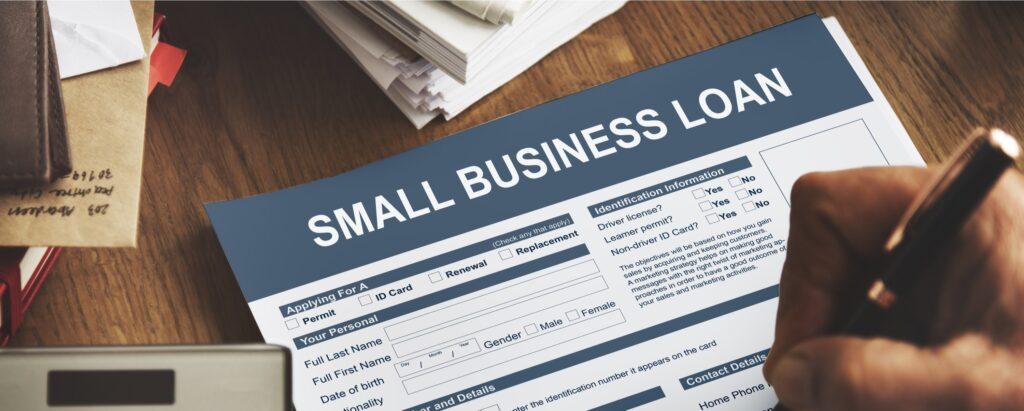
Opening or purchasing a liquor store can run you hundreds of thousands of dollars, or even millions. That’s a substantial investment for most entrepreneurs.
Here’s the thing: learning how to apply for a liquor store SBA loan can help you access up to $5 million in financing. SBA liquor store loans offer favorable terms with low interest rates and extended repayment periods. This makes liquor store financing available to more borrowers. Liquor store business loan options through the SBA 7(a) program are especially attractive since liquor stores generate strong profit margins and are recession-resistant.
We’ll walk you through the complete application process in this piece, from licensing requirements to funding approval.
Understanding SBA Loans for Liquor Stores
What is an SBA 7(a) Loan?
The SBA 7(a) loan program stands as the Small Business Administration’s main business loan program to provide financial assistance to small businesses. Think of it as a public-private partnership where commercial lenders make the actual credit decisions and fund the loans, while the federal government provides a partial guarantee to those lenders.
This guarantee structure changes the game for liquor store financing. Lenders can approve loans they might otherwise reject because the government backs a portion of the risk. The SBA guarantees up to 85% of the loan amount for loans of $150,000 or less. Loans exceeding $150,000 receive a 75% guarantee. Considering the $5 million maximum loan size, that means the maximum SBA exposure caps at $3.75 million.
Why SBA Loans Work Well for Liquor Store Business Loan Needs
Liquor store financing through SBA 7(a) loans offers distinct advantages over conventional business loans. The down payment requirement sits at just 10%. This means you can preserve more capital for inventory and operations. Compare that to conventional loans where lenders often demand higher equity stakes.
The program supports a wide range of financing needs specific to liquor stores. You can use SBA 7(a) funds to purchase existing stores, buy inventory or equipment, or refinance existing business debt on better terms. The funds also work to acquire real estate for your location or buy out business partners. Liquor stores often need substantial inventory investment, so the working capital provisions prove valuable.
The extended repayment terms reduce monthly payment pressure beyond the lower down payments. Liquor stores experience seasonal sales fluctuations, so the longer terms provide breathing room during slower periods. The government guarantee also means lenders don’t need excessive collateral.
Key Loan Terms and Amounts
SBA 7(a) loans for liquor stores can reach up to $5 million. Interest rates are based on the prime rate, and range from prime + 1% to prime + 3%. Your interest rate is negotiated between you and your lender but capped at SBA maximums. The maximum rate cannot exceed the base rate plus 3% for loans exceeding $350,000. Smaller loan amounts face higher rate caps.
Repayment terms vary based on how you use the funds. Real estate purchases qualify for terms up to 25 years. Equipment financing and working capital loans max out at 10 years. The loan structure uses full amortization. You pay principal and interest with each monthly payment.
Prepayment penalties apply only to loans with terms of 15 years or longer, and only if you prepay 25% or more of the outstanding balance within the first three years. The penalty equals 5% of the prepayment amount in year one. It drops to 3% in year two, then 1% in year three. You can prepay without penalty after three years.
The SBA charges upfront guarantee fees based on the guaranteed portion of your loan. There’s no upfront fee for loans of $1 million or less. Loans between $1 million and $2 million incur fees of 1.45% on the first $1 million and 1.7% on amounts above that. Loans exceeding $2 million face fees of 3.5% on the first $1 million and 3.75% above that amount. This fee is typically added to the loan amount, so you don’t need the money for it upfront.
These terms create available financing options for liquor store owners who might struggle to secure conventional loans at comparable rates and conditions.
Liquor License Requirements Before Applying
To get an SBA liquor store loan, you need the proper liquor store licensing. The licensing process operates independently from financing, but the two are deeply connected.
Federal Licensing Requirements
Your first stop is the Alcohol and Tobacco Tax and Trade Bureau (TTB). You must first get a Basic Permit from TTB if you plan to purchase and sell alcohol at wholesale or import alcohol beverages. You must have a permit approved by TTB in hand before commencing business.
The good news? There is no fee at the federal level to apply for or maintain approval to operate TTB-regulated alcohol and tobacco businesses. The TTB offers an online application through Permits Online that you can complete in minutes. Once your application is submitted electronically, you’re done in most cases.
Gather the required documentation to upload with your application package before starting your application. Your business structure and the kind of permit you’re applying for determines what documents you need to submit. Wholesalers and importers follow different application paths than retailers.
Processing times vary depending on your industry type and the type of business you want to operate. TTB must approve beverage alcohol formulas and labels through their COLAs Online database. This step happens after you receive your simple permit but before you can sell products legally.
New applicants are required to get a Federal Employer Identification Number (FEIN) prior to submitting your application for liquor licensure if they do not already possess their FEIN. You must also register for business taxes and get a valid Tax Clearance Certificate from your state’s Department of Revenue for the entity.
State and Local Liquor Licenses
State requirements dwarf federal ones in complexity. Every state has specific regulations, fees and compliance requirements. Liquor licenses are categorized based on the type of business and alcohol distribution.
You’ll need a Retail Liquor License for selling alcohol to consumers for off-premises consumption for liquor stores specifically. Some states call this a Package Sales License. The application process involves several steps: researching local requirements through your state’s Alcoholic Beverage Control (ABC) board, choosing the right license type, and preparing required documents. These documents include business registration and tax ID, proof of lease or property ownership, background checks of business owners and zoning permits.
Processing timelines differ dramatically across jurisdictions. Kansas allows the ABC 20 days to process manufacturer, distributor or non-beverage user license applications and 30 days for all other licenses and permits, with the time limit beginning once all required documentation is received. The Kansas liquor license process takes between 30 and 120 days, but if there are problems that come up throughout the process, it can go up to 175 days or longer. Start your liquor license application process 4-6 months before you plan to open to be safe.
Background checks represent a major hurdle. One of the most common problems that occur when transferring a license is a felony conviction, which will disqualify an applicant and requires at least 15 years since conviction has passed to qualify. Common reasons for denial include being under 21, finding fraud in the application, or location-based problems like the premises being too close to a school, hospital, church or other type of business.
License Transfer vs. New License Application
Buying an existing liquor store? You’ll face transfer requirements instead of new application procedures. Every state has their own requirements but the transfer of a liquor license to a buyer will be approved provided the application of a purchaser is approved by the State Licensing board. The transfer will require the seller’s authorization with a notarized signature on required forms.
When a liquor store is sold, there is usually a strict time frame that the license needs to be transferred into the new owner’s name, which usually does not exceed 180 days from the day the new owner takes ownership.
Some states prohibit license transfers entirely. Arkansas statutes state that liquor permits ‘shall not’ be pledged as collateral for a loan, nor may they be transferred or assigned. By contrast, a liquor license may be pledged by the licensee for a loan in Massachusetts, provided approval of such loan and pledge is given by the local licensing authority and the commission.
How Licensing Affects Your Loan Application
Your license status directly impacts loan approval odds. SBA regulations require lenders to take a first security interest on all assets financed with 7(a) loan proceeds. The value of a business such as a restaurant, bar, brewery, winery or convenience or liquor store that sells alcohol is often closely linked to the value of its liquor license.
Lenders include security interests in the liquor license in the collateral section in states where licenses can be pledged as collateral. Workarounds can exist for states that prohibit pledging but allow transfers.
License compliance also matters. Businesses failing to comply with regulations risk license suspension or revocation, heavy fines ranging from $500 to $50,000 depending on the violation and criminal charges for severe offenses. Lenders review your compliance history carefully during underwriting.
Eligibility Requirements for SBA Liquor Store Loans
Your licensing paperwork only gets you through the door. Lenders assess several financial and operational measures before they approve SBA liquor store loans.
Credit Score Requirements
The SBA doesn’t publish universal credit score cutoffs. Lenders assess creditworthiness using broader financial reviews instead. Most SBA-approved lenders apply internal credit measures based on their risk management policies.
Lenders look for personal credit scores of 680 or higher for standard 7(a) loans in practice. Higher scores strengthen your application. Credit history matters among other factors like payment consistency, existing debt obligations and credit utilization patterns.
Weaker credit doesn’t disqualify you if other business aspects are strong. Lenders assess credit in context with business cash flow, time in business and management experience. Strong cash flow or valuable collateral may offset a less-developed credit profile.
Time in Business and Revenue Standards
Businesses with a track record hold an advantage. Most lenders require at least three years of operating history to qualify for SBA loans. This track record demonstrates stability and proves your business model works.
Startups face stricter scrutiny. The SBA defines you as a startup if you’ve been operating for a year or less. Lenders will get into your prior business experience and educational background to verify you have the know-how to run a liquor store.
Lenders analyze debt-to-net-worth ratios for liquor stores with operating history. They look for a maximum of $4 in debt to $1 in net worth. SBA 504 loans restrict eligibility to businesses whose net worth is less than $20 million.
Required Down Payment and Collateral
Down payment requirements hinge on how you plan to use the funds. The minimum down payment for most SBA loans is typically 10%. However, loan refinances and working capital loans usually require no down payment.
Individual lenders enforce their own requirements. Your down payment could range higher than 10%. High-risk businesses with lower credit scores or fewer operating years face higher down payment demands. Most lenders cap down payments at 30% of the loan amount.
Collateral requirements scale with loan size. Collateral isn’t required for loans under $25,000. Loans exceeding $25,000 require available business assets as collateral. Lenders must secure loans over $350,000 with available business assets and may require personal assets if business collateral proves insufficient.
All SBA loans require personal guarantees from every owner holding 20% or greater equity. This makes you responsible for repaying the loan. Personal guarantees involve risk since your personal assets could be seized if the business cannot meet repayment obligations.
Compliance and Legal History
Businesses must demonstrate reasonable capacity to repay the loan. Lenders assess historical or projected revenue, existing debt obligations and owner credit history. They review financial statements and tax returns to confirm repayment capacity.
The Credit Elsewhere requirement limits SBA financing to situations where comparable credit isn’t available on reasonable commercial terms from non-government sources. Lenders must certify that some or all of the requested financing cannot be obtained from conventional lenders or through personal liquidity of owners with 20% or more equity. However, this is rarely an issue in practice.
Your legal history undergoes review. Lenders verify your business operates within the law and is registered. Any criminal history will receive scrutiny.
Documents You Need to Prepare
Your application package preparation can be tiresome, but is very important. Lenders want three years of financial information, though that number varies based on operational history. Startups and newer businesses face different requirements than liquor stores that have been around for years.
Business Financial Statements
You’ll provide income statements, balance sheets, and cash flow statements for each year your business has been operational, up to three years. If your business is operating already, expect to submit the last three years of filed business tax returns, along with interim financial statements dated within 60 days of your application. Lenders analyze your repayment capacity based on historical cash flow using a three-year review plus current year-to-date results.
Your income statement reveals whether your business generates profits and if that profitability can last. The cash flow statement focuses on inflow and outflow of cash alone and shows how your company uses its money. Your balance sheet lists what you own and owe, which matters if asset liquidation becomes necessary.
Projected financial statements for the next three years round out this package. Include forecasted income statements, balance sheets, cash flow statements and capital expenditure budgets. Match these projections to your funding requests with assumptions explained in detail.
Besides standard financials, you’ll complete SBA Form 1919 (borrower information form), SBA Form 912 (statement of personal history) and business affiliate financial statements including balance sheet, profit and loss, and income projection.
Personal Financial Documents
SBA Form 413 captures your personal financial statement. This form assesses repayment capacity and creditworthiness for 7(a) loans. You’ll detail checking and savings accounts, retirement accounts, life insurance with cash value, brokerage accounts, mortgage statements, credit card balances and auto loans.
Personal financial documents should be current within 90 days of application submission. Personal tax returns are required for any owners with 20% or more ownership stake.
Liquor License Documentation
Submit copies of your current liquor license, transfer documentation if purchasing an existing business, compliance history records and renewal status verification. License valuation may require separate appraisal in some states.
Business Plan
Your business plan demonstrates how you’ll use the loan and repay it. Include an executive summary, market analysis, competitive advantage, management experience and detailed revenue projections. Break down exactly how loan funds will be allocated.
Tax Returns and Bank Statements
Provide three years of business tax returns, complete with all schedules. These must match figures in your financial statements. Lenders typically request three to six months of business bank statements. These confirm your financial statements and help lenders assess average daily balances.
Step-by-Step SBA Loan Application Process
Applying for an SBA liquor store loan follows a structured five-step path. Each stage builds on the previous one.
Step 1: Choose the Right SBA Loan Program
Match your financing needs to the right program. The SBA 7(a) loan works for working capital, equipment purchases, inventory, refinancing existing business debt, purchasing equipment or real estate, or buying an existing business. Loan amounts reach up to $5 million.
Need funding fast? SBA Express Loans provide up to $500,000 with quicker approval decisions. Approval can happen within 20 days. The tradeoff is smaller loan amounts compared to standard 7(a) loans.
The SBA 504 Loan Program offers long-term, fixed-rate financing for major fixed assets like commercial real estate or large equipment. Banks partner with a Certified Development Company to fund these loans at competitive, fixed rates. Funding can take up to six months.
Microloans provide up to $50,000 for small-scale needs. The average microloan amount sits at $13,000.
Step 2: Find an SBA-Approved Lender
You want an SBA Preferred Lender – they hold authority to make final lending decisions without waiting for SBA approval. This speeds up funding. As a Preferred Lender, some banks can process small SBA loans and close within 10 days, with larger and more complex loans closing within 45-90 days.
Compare interest rates, minimum credit scores, cash flow requirements and prepayment penalties when evaluating lenders.
If you want to skip the process of researching, talking to, and comparing multiple lenders yourself, you could instead use 7aSavvy’s loan brokering. It’s free for the borrower and connects you to a lender that is a great match for your loan.
Step 3: Submit Your Application Package
Your complete package has all documents from the previous section, plus anything else the lender requires. Paperwork can take weeks to gather even for organized owners, so start early.
Step 4: Direct Through the Underwriting Process
Underwriting can take a few weeks. Lenders review your credit history and verify collateral value. They get into revenue history and projections. They break down any tax or legal issues.
Respond quickly to lender requests. Documentation ready upfront speeds approval.
Step 5: Loan Approval and Closing
You’ll receive a commitment letter outlining loan amount, interest rate, collateral and other terms once approved. Closing usually takes a month or more, but it depends on the complexity of the loan. The lender assigns an SBA file number and authorizes the government guarantee. Finally, the loan funds are issued, either to the borrower, seller, or into escrow, depending on their intended use.
What Lenders Evaluate in Liquor Store Financing Applications
Knowing what triggers approval or rejection helps you strategically position your liquor store financing application. Lenders dig deep into four areas that predict whether your business can repay the loan.
Cash Flow Analysis
Cash flow verification presents a major hurdle in liquor store financing. The industry is infamous for over-reporting expenses or under-reporting cash sales. This pattern creates problems during the bank’s appraisal process and can lead to loan application refusal. Buyers should conduct full due diligence and verify reported revenues through multiple sources. Experienced business valuation professionals help confirm the numbers when you acquire existing stores.
Lenders analyze historical cash flow statements to determine debt service capacity. They want proof that net earnings exceeds debt expense by enough margin to cover loan payments with comfort, usually a debt service coverage ratio (DSCR) of 1.25 or greater. That means for every $1.00 of debt payments, the business should net $1.25 or more.
Business Valuation and Acquisition Price
Liquor stores carry a median sale price of $400,000 with a median asking price of $444,500. Median revenue sits at $1,047,000 while median owner earnings reach $150,000. The average revenue multiple is 0.50 and the average earnings multiple is 3.33.
Goodwill cannot serve as collateral. This reality moves attention to tangible assets. Lenders must require a third-party business valuation for loans over $250,000 or when a close relationship exists between buyer and seller.
Inventory and Equipment Assessment
Liquor inventory represents substantial value and requires working capital. Lenders evaluate inventory turnover rates, storage capacity and inventory management systems when they assess loan applications. Lenders often finance 20% to 80% of the inventory’s value based on factors like inventory type and your qualifications.
Equipment appraisals verify the collateral value of coolers, shelving and point-of-sale systems. These tangible assets strengthen your application.
Location and Market Analysis
Location has a big effect on liquor store success. Lenders evaluate foot traffic, parking availability, proximity to competitors and local demographic factors when they finance liquor stores. A store near high-traffic areas with adequate parking generates higher revenue than one tucked away on a side street.
Common Application Mistakes to Avoid
Strong financials and proper licensing won’t guarantee approval if you stumble over preventable errors. Many business owners make common mistakes that can reduce the amount you qualify for, delay approvals, or lead to denials.
Incomplete or Inaccurate Financial Records
The most frequent application killer? Underestimated paperwork needs or incomplete, outdated, and contradictory financial statements. Lenders cross-reference every number against every other number. A red flag appears when your tax return shows $800,000 in revenue but your bank statements show $600,000 in deposits. Your P&L shows $50,000 in net income but your tax return shows a loss after deductions? That requires explanation.
Timing matters beyond inconsistencies. Financial statements and supporting documents must be current at the time the lender and SBA review them. Stalls could result in outdated financials and require resubmission of multiple documents before moving forward.
Avoid changing the goal post mid-application, organizational restructuring, or taking on debt during the application process. Communication with lenders is critical and timely. Emails you ignore, responses you delay, or deadlines you miss can slow the loan approval process or worse, result in denial.
Poor Business Plan Presentation
Disorganized content reflects on your knowing how to manage and operate a business. Grammar and spelling errors detract from professionalism. Your business plan must explain how you intend to use the SBA loan and how it will help grow your business.
Compliance Issues You Ignore
Failure to address how your business complies with relevant laws, regulations, and licensing requirements can lead to doubts about your business’s viability.
An SBA 7(a) loan broker like 7aSavvy reviews your application before submission to catch these costly mistakes.
Using Your SBA Loan Funds for Your Liquor Store
Fund flexibility determines whether your liquor store financing actually serves your business needs. SBA 7(a) loans support multiple strategic priorities at once.
Approved Uses of Loan Proceeds
You can deploy funds for acquiring, refinancing, or improving real estate and buildings. Short-term and long-term working capital qualifies. Refinancing current business debt works if it improves cash flow. Purchasing and installing machinery and equipment falls within guidelines. Furniture, fixtures, and supplies can be financed. Changes of ownership, whether complete or partial, receive funding. Multiple purpose loans combining any of these uses are permitted.
Working Capital and Inventory Funding
Inventory financing allows you to maintain optimal stock levels without depleting cash reserves. You can prepare for seasonal demand and expand product lines while taking advantage of bulk supplier discounts. The 7(a) Working Capital Pilot program offers lines of credit up to $5 million for working capital needs.
Business Acquisition and Expansion
SBA 7(a) loans can finance up to 90% of a business acquisition purchase price. This covers buying another store and partner buyouts. Repayment terms extend up to 10 years for business acquisitions and up to 25 years if the purchase has real estate.
Real Estate Purchase and Renovation
Real estate purchases qualify for terms up to 25 years. Construction of new facilities receives approval. Existing facility improvements and modernization, including tenant improvements, are permitted.
Prohibited Uses of SBA Funds
You cannot use loan proceeds for personal expenses. Passive real estate investments are prohibited. You cannot repay delinquent taxes unless you have an approved IRS payment plan. The SBA forbids refinancing debt that would expose them to a loss.
Conclusion
You have everything you need to secure SBA 7(a) financing for your liquor store. The path to funding approval is straightforward when you understand what lenders want and how to present your business.
Start with your liquor license, your financial documentation, and a solid business plan. Don’t rush through the application process or make preventable mistakes that delay approval.
Working with an SBA 7(a) loan broker like 7aSavvy can substantially increase your approval odds and help you access better terms. Take action today and you’ll be running your liquor store sooner than you think.