Published: Nov 10, 2026
How to Apply for a Grocery Store SBA Loan: Financing a Store Purchase, Inventory, and Improvements
If you need SBA grocery store financing, this article explains how to get a loan to buy a grocery store, including equipment, renovation, and inventory costs.
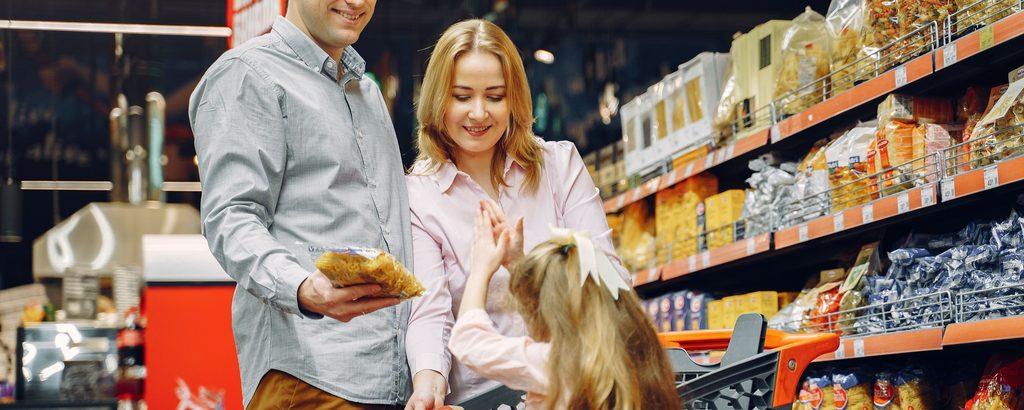
An SBA 7(a) loan can help you turn a promising local market into your next business. Store purchases may require inventory and refrigeration, repairs, point-of-sale systems, and cash to cover slow months. SBA financing can cover goodwill, working capital, and transition costs, so your plan can extend beyond opening day.
If you need SBA grocery store financing, this article explains how to get a loan to buy a grocery store, including equipment, renovation, and inventory costs.
Step 1: Define the Store Purchase and Improvement Plan
Start with a written purchase plan, not a loan amount. A lender can finance specific business needs, but “enough money to buy a grocery store” leaves too many blanks. Assign a price and purpose to every dollar before seeking a loan.
Decide Whether You Are Buying the Business, the Property, or Both
Separate the transaction into its parts first. You may buy the operating business, the building, or both. The operating business may include the store name, customer relationships, inventory, equipment, fixtures, supplier arrangements, and goodwill. Goodwill is the part of the price linked to the store’s ability to generate income beyond its physical assets’ value.
The property stands separately. It may include the land and building where the grocery store operates. Record the agreed business price and, if applicable, the agreed real estate price. This split helps a lender see how much of the transaction involves hard collateral and how much involves goodwill.
SBA 7(a) financing can support a partial or full ownership change, along with real estate acquisition, refinancing, or improvements. It can also cover several purposes under one loan. The program’s maximum loan amount is $5 million. This flexibility may suit a business acquisition deal that includes buying a store, replacing equipment, and keeping funds available for operations.
A simple example shows the split. You may agree to pay $600,000 for a grocery business and $900,000 for its building. Record these as separate uses instead of one $1.5 million line. The lender can see the deal’s structure without having to dive into the numbers later.
List Opening Inventory, Repairs, Refrigeration, and POS Needs
Identify every expense required to operate on day one. Grocery stores move fast, and an opening plan that overlooks a freezer repair or inventory replenishment can leave you short before the first full week ends.
Build a written scope that covers:
- Opening inventory: Products needed after closing, including food, beverages, household goods, and other store categories.
- Repairs and improvements: Building work, shelving, lighting, checkout areas, and other planned improvements.
- Equipment: Refrigeration, freezers, display cases, scales, machinery, furniture, fixtures, and supplies.
- Point-of-sale needs: POS hardware, related store fixtures, and installation costs.
- Working capital: Cash set aside for the business’s short-term and long-term operating needs.
Add a quote, invoice, estimate, or other documentation that supports the amount for each item. Separate the cost of existing equipment from the cost to buy and install replacements. SBA 7(a) funds may cover machinery and equipment, furniture, fixtures, supplies, and working capital, so each line should have a clear financing purpose.
Consider timing as well. A refrigeration vendor may require payment before installation, while you may purchase inventory after closing. Your plan should show when you need funds, not only the total amount. This creates a clearer starting point for grocery store loans and makes your operating plan easier to explain.
Build a Sources-and-Uses Budget With a Cash Reserve
A sources-and-uses budget matches every outgoing dollar with a funding source. Uses show where the money goes. Sources show where it comes from. Lenders expect this table for an acquisition, and SBA 7(a) borrowers must provide a pro forma balance sheet that shows the sources and uses of equity and borrowed funds.
Your uses should include the business purchase price, the real estate price when applicable, inventory, improvements, equipment, working capital, closing costs, legal fees, appraisals, and the SBA guarantee fee. Include a cash reserve within working capital. That reserve supports the store as sales and expenses settle after the handover.
Your sources may include your cash, documented gifts, investor funds, seller financing, and debt to be repaid with funds unrelated to the business. Total sources must equal total uses. If uses total $1,000,000, your listed funding sources must also total $1,000,000. A mismatch points to an unfunded expense or unexplained money.
Update the table as quotes and deal terms change. Define the purchase, show every planned use of funds, and identify exactly where each dollar will come from.
Step 2: Confirm SBA Eligibility and Select a Loan Program
Your sources-and-uses budget now gives you a practical way to screen loan options. Confirm that you and the grocery store meet SBA rules before approaching lenders. A lender can then assess the request based on the deal’s facts instead of spending time sorting out an ineligible structure.
Check Buyer, Ownership, and Grocery Store Eligibility
SBA financing requires that the business operate for profit in the United States, meet SBA small-business standards, fall outside ineligible business categories, and demonstrate that it can repay the loan.
Review ownership early. All owners must be a U.S. citizen or national, and any owner with a 20% or greater stake generally must provide an unconditional personal guaranty. This commitment places every major owner within the lender’s credit review, so finalize ownership percentages before submitting the application.
The lender then looks at the business and borrower. Credit history and the business’s financials are the biggest factors leading to either approval or denial.
Your experience matters as well. A grocery store buyer needs a credible management case, whether it comes from grocery operations, retail management, inventory control, or a plan to retain qualified store leaders. Lenders need a clear answer to a basic question: who will handle purchasing, staffing, food handling, and cash controls on Monday morning?
An outside buyer completing an ownership change needs to make at least a 10% cash contribution toward total project costs under SBA guidance. Step 5 explains how to structure that contribution. Confirm that your proposed funds and ownership arrangement meet this requirement before moving forward.
Use SBA 7(a) for Business Acquisitions and Mixed Funding Needs
SBA 7(a) is often the starting point for a business acquisition. It can fund a complete or partial ownership change, along with working capital, inventory, real estate, equipment, fixtures, supplies, and improvements. This makes it a good fit when the deal has several parts, such as a store purchase with replacement refrigeration and operating cash after closing.
The program has a maximum loan amount of $5 million. A grocery loan can combine needs that might otherwise require separate financing. For example, if you purchase the business, 7(a) can line up the acquisition, inventory, equipment, and working-capital needs under one loan structure.
Repayment terms depend on how you use the funds. Business acquisition and working capital may extend up to 10 years, while a loan including real estate may extend to 25 years. Business acquisition loans including real estate will receive a blended term based on the mix. Pay attention to how proceeds are assigned to each use, because that allocation affects the payment and repayment period.
Think Over SBA 504 for Eligible Property and Fixed Assets
SBA 504 may be a fit if you are purchasing, constructing, or renovating the store building, or acquiring long-lived machinery and equipment. The program provides long-term, fixed-rate financing through a Certified Development Company and a senior lender. Its maximum SBA loan amount is $11.25 million.
A 504 loan cannot fund a business acquisition, inventory or working capital. As a result, it rarely covers every part of a grocery store purchase on its own. You may use 504 for owner-occupied property and fixed equipment while arranging another funding source for the business acquisition, stock, and cash reserve.
Check the asset’s useful life. Eligible equipment must have at least 10 years of remaining useful life. Property use matters as well. Your grocery operation must occupy 51% or more of the property rather than primarily using it as rental investment space.
Think Over a Microloan for Needs Up to $50,000
A Microloan may suit a smaller, defined need after you separate it from the main purchase. SBA intermediary lenders provide these loans in amounts of $50,000 or less. A small request for fixtures, supplies, or limited equipment may fit this route.
Verify Current Grocery Guarantee Rules Before Relying on Them
Grocery retailers under NAICS 445110 are among the businesses eligible for the Grocery Guarantee through the SBA International Trade Loan program. The program offers a 90% federal guarantee, compared with the standard 75% guarantee for larger 7(a) loans.
That boosted guarantee may increase lender interest, but confirm current eligibility, loan purpose, and lender participation before building your grocery store loans plan around it. Contact an SBA loan broker or participating lender and ask whether your specific store purchase qualifies under current program rules.
Step 3: Review the Store Before You Commit to a Purchase
The proposed loan amount works only if the store’s finances support the price. Test the seller’s numbers, and check the reliability of the contracts, physical assets, and operating permissions before you sign a binding purchase and sale agreement for a grocery store. A busy checkout line may look convincing, but the paperwork must support it.
Match Seller Tax Returns to Financial Statements and POS Sales
Request the seller’s federal tax returns, profit-and-loss stetemenrts, sales-tax reports, and other available financial records for the prior three years. Your purchase agreement can require the seller to provide these materials during your inspection review.
Compare reported sales on tax returns, profit-and-loss statements, and point-of-sale reports. Look for consistent sales patterns by month and year. Ask for a written explanation and supporting records if POS sales show stronger results than the tax filings or financial statements. Ask the same questions if gross margins or expenses change sharply.
You need to establish whether the on-paper cash flow supporting the acquisition reflects the store you will acquire. Identify seller-specific expenses before treating them as income available for debt payments. Keep copies of every source document because the lender may request the same records during underwriting.
Check Inventory Age, Spoilage, and Supplier Agreements
Walk through every aisle, cooler, freezer, and stockroom with the seller. Inspect quantities, expiration dates, damaged packages, discontinued products, and items that have remained unsold too long. Compare the physical count with the inventory amount included in the deal.
The purchase agreement should identify the inventory that transfers, explain how you will count it, and set a quality standard. Grocery inventory changes every day, so an outdated count provides little assurance at closing.
Request every supplier, service, technology, and maintenance agreement tied to operations. The seller should provide vendor-agreement copies and identify the agreements you must assume. Review assignment clauses closely. One supplier may require consent before its contract transfers to you, while another agreement may allow cancelation with little notice.
This review affects your opening plan. You need to know whether a key supplier agreement can transfer before you rely on its pricing or delivery schedule in your projections.
Review the Lease, Food Permits, Equipment Condition, and Liens
Read the full lease and every amendment if you will lease the store. Check the remaining term, renewal options, assignment rules, and any landlord consent required for the sale. The lease may determine whether you can continue operating at the location after closing. Lenders sometimes require an extension of the lease to match the length of the loan term.
Contact the local food-permit authority about change-of-ownership requirements. Food operating permits often do not automatically transfer to a new owner. An existing facility may need an evaluation before it receives a new permit, while repairs, remodeling, or equipment changes may trigger plan review.
Inspect refrigeration, freezers, fixtures, electrical systems, plumbing, security equipment, and POS hardware. Ask the seller which items the store owns and which another party owns under a lease, service contract, or third-party arrangement. The seller’s equipment list should identify both categories.
Review the title commitment and documents affecting title if real estate is part of the deal. You need time to object to liens or other recorded matters that could remain with the property. One contract model gave the buyer 10 days after receiving the title commitment to submit written objections.
Use Financing and Due Diligence Terms in the Purchase Agreement
Put your review rights in the purchase agreement before you send earnest money. Include a due-diligence period, access to records and the premises, and the right to terminate if financial, physical, or permit findings do not support your purchase plan.
Add a financing contingency that gives you time to get acceptable financing. SBA 7(a) loans usually take 45 to 90 days from start to finish. Therefore, arrange the contract timeline around the loan timeline.
Step 4: Set a Loan Payment the Store Can Afford
Turn due-diligence records into a post-closing cash-flow model before requesting a certain loan amount. The store’s financials must be able to support the loan payment with room to spare. A minimum DSCR of 1.25x is required for business acquisition loans.
Separate Seller Add-Backs From Costs You Will Still Pay
Start with tax-return income, then review each seller add-back. Depreciation, amortization, and interest on debt paid off at closing can support cash flow. Review the seller’s salary with care: only compensation above your required draw or a replacement manager’s cost becomes available for debt service. Lenders rebuild this figure from verified records instead of accepting the broker’s adjusted earnings.
Calculate Debt Service Coverage Ratio Using Post-Purchase Cash Flow
Calculate DSCR by dividing post-purchase cash flow available for debt service by annual principal and interest across every obligation. Include the proposed SBA payment, equipment notes, leases that function as debt, and seller financing with scheduled payments. Business acquisitions require 1.25x, which means $1.25 of qualifying cash flow for every $1 due.
Compare Current SBA Interest Rates, Fees, and Loan Terms
Current pricing changes, so compare the lender’s quoted rate, fixed or variable structure, amortization, and total fees. The maximum rate for most SBA 7(a) grocery store acquisition loans is prime + 3.0%, which as of November 2026 is 10.0%. 504 rates typically range a few points lower. SBA 7(a) terms longer than 12 months carry guarantee fees ranging from 2% to 3.75% of the guaranteed portion.
Test a Sample Grocery Loan Payment Against Monthly Cash Flow
Run the payment through a month-by-month forecast instead of using an annual average. For example, a $500,000 loan with a 10 year term at 10% produces a payment of about $6,607 each month. Compare that payment with payroll, rent, supplier purchases, taxes, insurance, equipment service, and your planned owner draw. An SBA loan calculator uses the amount, rate, and term to calculate the payment.
Allow for Seasonal Sales, Food Price Changes, and Repairs
Build a separate forecast for each month. Grocery sales can shift with holidays, weather, school calendars, and local events, while supplier costs may rise before revenue catches up. Include scheduled cooler maintenance and a repair allowance. Refrigeration and food-service infrastructure may require expensive replacement, so include known work in the funding plan rather than treating it as a surprise.
Set a Borrowing Limit Based on Weak Results
Set your ceiling based on scenarios of weaker financials or higher rates. Add equity or reduce the loan request if cash falls short during that test. Best case scenarios can’t be relied on. A 1.25x annual DSCR provides a cushion, but always plan for the worst.
Step 5: Structure Your Down Payment and Seller Financing
Your cash contribution and any seller note determine whether the purchase structure meets the lender’s equity standard. A grocery loan may look affordable in a cash-flow model but still stall if closing funds lack a documented source or leave the store with too little operating cash.
Confirm the Equity Injection Required for Your Deal
Plan to contribute an equity injection of at least 10% of total project costs for a complete change of ownership. Under the current SBA rules (as of November 2026), a first-time acquisition cannot receive a reduction below that floor.
Total project cost is the full budget, not just the SBA loan amount. A $1 million project requires a starting injection of $100,000. Your lender may require more after reviewing management experience, competition, the business’s financials, and the debt-to-net-worth position after purchase. Set aside those funds before negotiating the price because they must be part of the closing structure, not a vague promise to contribute later.
Check Whether Seller Debt Can Count Toward Equity
Seller financing can help close a funding gap, but the note’s exact terms determine its treatment. A seller note can count toward equity only if it stays on full standby throughout the SBA loan term, with no principal or interest payments during that period.
This limited-source funding, along with other standby debt and passive minority investor equity, can cover no more than half of the required injection. A $100,000 required injection, for example, may include $50,000 in eligible seller standby debt and must include at least $50,000 of your own money.
Document Cash Sources and Keep Enough Liquidity After Closing
Trace each equity dollar from its source to the closing account. Provide bank statements, asset-sale records, gift letters, transfer evidence, and proof of payment for eligible costs already paid, such as receipts and invoices.
A balance alone does not prove the funds qualify. Lenders review the funds’ availability, source, timing, and your access to them. Keep enough cash after closing to cover supplier orders, payroll, and repair calls. Lenders will require proof of available liquidity beyond the injection.
Step 6: Choose a Lender and Build the Application File
Once you document your equity trail, use a broker to send the same well-prepared request to several SBA-approved lenders. Each lender reviews both you and the store, and a complete file avoids unnecessary back-and-forth.
Ask About Experience With SBA Loan Business Acquisition Deals
Ask your broker how many SBA business-acquisition files the lender handles and who reviews grocery transactions. Ask whether the lender has financed stores with inventory, refrigeration, lease consents, and mixed-use requests. An experienced lender can tell you early which documents may delay the file.
Written Loan Terms and Lender Timelines
Your broker will compare lender’s written pricing, amortization, fees, collateral requests, credit standards, cash-flow tests, and closing conditions. A good broker won’t compare a verbal “yes” with a written term sheet.
Final closing often takes 45 to 90 days from first contact with the lender. Use the lender’s schedule when setting dates in your purchase agreement.
Prepare Buyer Financials, Tax Returns, and Management History
You’ll need to provide your personal financial statement, personal tax returns, bank statements, debt schedule, business plan, and resume. In your business plan, explain your grocery operations, retail supervision, inventory control, or other experience that supports the operating plan. Credit history affects how lenders see risk and pricing, while industry experience can build lender confidence.
Gather Seller Records, Deal Documents, and Project Quotes
Send seller tax returns, interim financial statements, debt schedule, POS reports, inventory support, lease, LOI or purchase agreement, and transition details. The lender needs at least an LOI to prepare a financing proposal.
Provide the lease early if you plan to lease the site, and ask for the landlord waiver. The waiver’s completion can affect the closing timeline. Attach vendor quotes for repairs, equipment, insurance, and work to be done before opening.
Explain Your First-Year Operating Plan and Financial Forecast
In your business plan, show how you will manage the ownership transition and staffing, along with supplier arrangements, projected sales and expenses, and repayment capacity. You will need to make three years of financial projections, with month-by-month breakdowns for the first year.
Step 7: Work Through Valuation, Underwriting, and Approval
The lender now carefully checks the purchase price and repayment plan against financial records.
Understand Cases That Require an Independent Business Valuation
Most 7(a) change-of-ownership transactions require an independent valuation. A business purchase price above $350,000 requires the lender to get a valuation from a qualified source. The same rule applies at any price if the buyer and seller have a close relationship. The lender, not either party, commissions the valuation. The report identifies whether the deal is an asset or stock purchase, lists included assets and assumed debt, and supports its value conclusion. Owner-occupied real estate requires a separate appraisal.
Original acquisitions or expansions of $3 million or more also require an independent quality-of-earnings report. The report reviews normalized earnings and cash activity across the trailing 12 months and past two fiscal years.
Address Cash Flow Gaps and Purchase Price Differences
If the valuation falls substantially below the agreed price, SBA debt cannot fully finance the excess. You must renegotiate, contribute more cash, or leave the deal. This requirement is to protect you, preventing an overpriced grocery loan from becoming your problem.
Correct unsupported add-backs and sales inconsistencies, along with unpaid obligations, before credit relies on them. A grocery store deal must meet both value and repayment tests.
Send prompt, documented answers when underwriting contacts you about something.
Respond to Lender Conditions and Track Remaining Approval Steps
Keep a conditions tracker that lists the required document, due date, and status. Lenders compare IRS transcripts with financial statements before they disburse funds. They also verify equity, collateral, appraisals, and borrower certifications. Review each condition against the approval, purchase agreement, and final sources-and-uses schedule. Disclose any change in terms immediately. Closing documents then move through review and signing before funds are disbursed.
Step 8: Complete Closing and Manage the First 90 Days
Finalize Equity, Insurance, Lease Consent, and Closing Documents
Funding moves forward only after all conditions are met. Provide your equity trail, insurance, signed purchase papers, and landlord consent with a lease assignment when required. The commitment letter and closing documents set the closing conditions, so report any pertinent issues before signing.
Coordinate Fund Disbursement, Inventory Count, and Seller Handover
Closing requires confirmation of the disbursement plan and completion of an inventory count. Inventory transfers at the seller’s cost based on that count. Expired, damaged, or obsolete goods are excluded. Document the handover of keys and POS access, along with supplier contacts.
Track Margins, Stock Turnover, and Cash Against Your Forecast
Compare gross margin and stock turnover with your forecast during the first 90 days. Review spoilage, payroll, and cash as well. Break down variances. A falling margin can point to purchase costs, pricing, or waste, while slow turnover keeps cash tied up on shelves. Complete a 90-day working-capital true-up.
Meet Loan Terms Before Taking On More Debt
Read your grocery loan agreement before adding debt or changing ownership. Post-close, SBA loans generally focus on repayment and post-closing terms rather than coverage or liquidity tests, though lenders do require statements and will have questions if you’re cutting things a bit close. Keep payments current, maintain insurance and licenses, meet reporting dates, and get consent when the documents require it.
Conclusion
SBA financing for a grocery store purchase works best when each number serves a purpose. Your purchase plan, due diligence, cash-flow projections, equity injection, and entire loan file should support the same story.
Choose a store that can cover its loan payments and then some, not just one that looks busy on a Saturday. Review the inventory and lease (if applicable) before closing. Verify permits, equipment, seller records, and the valuation as well. Keep enough working capital after ownership changes hands.
Document every cash source. Respond promptly to underwriting conditions. An SBA 7(a) loan broker like 7aSavvy can get you working with the right lender and organize the process, but your judgment guides the deal. Careful preparation gives your grocery store a stronger first 90 days and supports long-term success.