
Published: Nov 23, 2026
How to Apply for a Veterinary Practice SBA Loan: Buying, Starting, or Expanding a Vet Clinic
This guide explains how to apply for an SBA veterinary practice loan: prepare, work with the lender, and close with confidence.
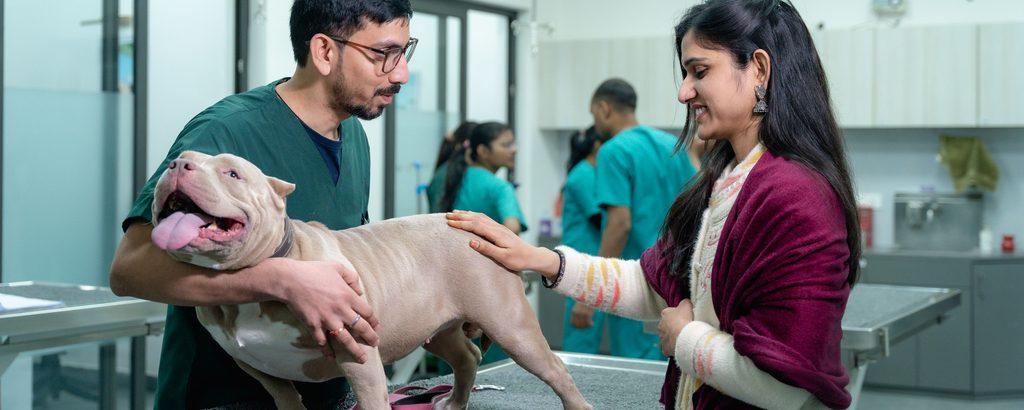
A veterinary practice loan can help turn your plan to buy, start, or expand a clinic into reality, but a weak application can bring the process to a halt. SBA 7(a) financing provides smaller down payments and longer repayment terms than conventional loans, and eligible veterinary businesses can borrow up to $5 million.
SBA veterinary practice loans require lots of work and extensive documentation. This guide explains how to prepare, work with the lender, and close with confidence. An SBA 7(a) loan broker can help select the right lender and provide support in the loan process.
Step 1: Choose the Right SBA Loan for Your Vet Clinic
What makes veterinary practice financing different?
Your financing choice should match what you are buying because a veterinary clinic includes physical assets and intangible value. A practice purchase may include exam tables, imaging equipment, inventory, client records, lease rights, and goodwill. Goodwill reflects the existing client base, earnings history, reputation, and the expectation that patients will stay after ownership changes.
Lenders also assess how the clinic generates revenue. They review the mix of routine care and surgical work, the equipment’s condition, and whether clients return to the clinic or mainly to the seller. A seller’s transition plan can help retain clients and support the cash flow used to make loan payments.
A startup receives a different review. You have no clinic revenue history to show, so your veterinary experience, management background, local demand, staffing plan, and financial forecast matter more. Veterinary practice financing ultimately focuses on the clinic’s capacity to earn after the loan closes.
An SBA loan does not come directly from the SBA. You apply through a participating lender that makes the credit decision, while the SBA guarantees part of an eligible loan. That guaranty can help lenders approve borrowers who do not fit their standard lending model.
SBA 7(a): Up to $5 million for eligible practice costs
Many acquisition, startup, renovation, and mixed-use projects fit the SBA 7(a) program. The maximum loan amount is $5 million. One 7(a) loan can cover several connected costs instead of requiring separate loans for the clinic purchase, equipment, and cash to cover any bumps in the handover.
Eligible uses can include:
- Buying all or part of an existing practice.
- Purchasing, constructing, or renovating owner-occupied real estate.
- Buying and installing machinery and equipment, plus furniture, fixtures, and supplies.
- Funding short- or long-term working capital.
- Refinancing real estate and qualifying business debt.
That flexibility makes 7(a) a common option for veterinary practice acquisition loans. Suppose you buy a leased clinic, replace an aging X-ray unit, renovate treatment rooms, and need payroll funds during the ownership transition. A 7(a) structure can cover each of those costs. The deal must still show repayment capacity, but the loan purpose is not limited to one asset class.
The SBA generally allows terms of 10 years or less. Real estate financing can extend up to 25 years. Your lender selects the appropriate term based on the assets financed and the practice’s repayment capacity. A longer term can reduce the monthly payment, while a shorter term reduces total interest paid. Neither option is automatically better. Your projected cash flow should guide the decision.
SBA 504: Financing major fixed assets, not goodwill or working capital
Consider an SBA 504 structure if your main project is focused on long-life fixed assets. This program supports the purchase, construction, or renovation of land and buildings, along with qualifying machinery and equipment that has at least 10 years of remaining useful life. The maximum loan amount is typically $11.25 million, but can go higher in some cases.
A 504 project usually uses three funding sources: a private-sector lender with a senior lien for up to 50% of project costs, a Certified Development Company-backed loan for up to 40%, and at least 10% equity from you. A Certified Development Company, or CDC, is an SBA-certified nonprofit partner that works with the bank and SBA on the transaction.
This structure can suit an existing clinic that buys its building, constructs a hospital, or completes a major expansion. The 504 loan cannot fund a business acquisition, working capital, or inventory.
A few transactions use both programs. A 504 loan may finance the owner-occupied building, while a 7(a) loan covers practice assets, goodwill, and operating cash. Separating the project by asset type can create a cleaner financing structure, and the 504’s higher size limit can accommodate larger deals.
Cases where conventional veterinary practice loans may fit better
Conventional veterinary practice loans can work well if you have strong clinic cash flow, solid personal credit, meaningful liquidity after closing, and enough equity to meet the lender’s requirements. Banks may offer term loans, lines of credit, or both for an acquisition, expansion, equipment purchase, or refinance.
Conventional loans solely follow the bank’s own policies rather than SBA rules. This can mean fewer program-specific documents, different prepayment provisions, or more flexibility for certain deal structures. However, a conventional lender places greater weight on collateral and requires more cash in the project because it carries the full credit risk.
Ask each lender to price the full deal, including the rate, fees, required equity, collateral, guaranties, repayment term, and prepayment terms. A lower rate can lose its appeal if the loan requires a cash contribution that leaves the clinic short on operating reserves.
Step 2: Set Your Loan Amount and Cash Budget
The amount you request should come from a sources-and-uses budget, not a round number selected to make the payment feel manageable. To finance a veterinary practice, list every cost, its due date, and whether loan proceeds or cash will cover it. This turns a veterinary practice loan request into a fundable plan.
Buying a clinic: Purchase price, closing costs, and transition expenses
Acquisitions begin with the signed purchase price and include every expense needed to take control. Account for lender and SBA fees, valuation reports, legal and accounting work, insurance, licenses, inventory, lease or utility deposits, software setup, and payroll or benefits administration.
If the building changes hands, include title work, recording fees, surveys, and any appraisal and environmental review. Some reports and retainers are due before closing, so record their dates separately in your cash calendar. A transition budget should cover seller handover work, client communications, and the first operating weeks. Price mismatches between the letter of intent, budget, and forecast can slow underwriting, so use one sources-and-uses schedule.
Starting a clinic: Build-out, equipment, hiring, and launch costs
Startups need a line-by-line schedule because revenue begins after spending. Separate leasehold improvements, architecture and engineering, permits, furniture, medical and diagnostic equipment, IT, deposits, opening drugs and supplies, professional fees, and marketing.
Decide which services will open on day one early. Imaging and dental facilities affect room design, while insufficient plumbing, electrical capacity, or ventilation can raise construction costs later. Published planning material for a 2,000-square-foot practice placed the builder budget at $256 per square foot, with architecture and engineering at 10% of construction and a 15% contingency. These figures can guide early planning, but contractor bids and landlord allowances determine your number.
Budget payroll before appointments gain momentum. One sample used median monthly pay of $10,842 for a veterinarian, $3,948 for a technician, and $3,168 for front-desk staff, plus 22% for payroll taxes and benefits.
Expanding a clinic: Added space, staff, and service costs
Expansion budgets often fail because they stop at the contractor’s proposal. Include design, permits, construction, new equipment, utility changes, training, recruiting, technology, marketing, and debt payments during the ramp-up period.
Model fewer appointments when a renovation closes rooms or disrupts patient flow. Compare expected added revenue with added operating costs and financing payments. Base projections on room utilization, local demand, and available clinicians instead of a hopeful estimate.
Many remodels start around $150 per square foot and can reach $250, while ground-up construction is estimated at about $300 to $500 per square foot. This range shows why you need scope-specific bids before sizing loans.
Working capital: Estimate cash needs until revenue covers expenses
Working capital covers the gap between cash leaving the clinic and collections arriving. Pay attention to the point in your projections when revenue will cover expenses, including payroll, rent, utilities, supplies, insurance, taxes, owner pay, and debt service. After closing, track each month’s opening cash, inflows, outflows, and ending cash.
One published startup sample set six months of working capital at $283,286, alongside a $47,214 monthly burn. Your forecast will differ, but it should reflect your lease, wage plan, service mix, and launch timetable. Expansion cash needs can also rise before new capacity produces revenue, especially when you hire ahead of demand. Keep a contingency for construction delays or reduced collections.
Down payment and reserves: Plan your cash contribution
Your required contribution depends on the transaction and lender. Document its source, whether it comes from savings, asset-sale proceeds, a documented gift, or qualifying seller financing. Preserve substantial post-closing reserves rather than putting every available dollar into the deal.
Step 3: Check SBA Eligibility and Your Credit Profile
Before a lender tests your budget, you and the proposed clinic must be found eligible for the SBA program. This review involves more than paperwork. It determines whether your SBA veterinary practice loan is possible.
Confirm current SBA rules for business size, ownership, and credit elsewhere
SBA 7(a) financing requires your clinic to operate for profit in the United States, meet SBA small-business size requirements, be 100% owned by U.S. citizens or nationals, and fall outside SBA’s ineligible-business categories. The business must also have a sound purpose, demonstrate creditworthiness, and show a reasonable ability to repay the proposed debt.
A practice purchase may qualify because 7(a) financing allows complete or partial ownership changes. A purchase agreement alone does not prove eligibility, though. The lender will review how the clinic earns revenue, who owns it, and whether the structure after closing remains an active operating business.
You must also show that you cannot get the requested credit on reasonable terms from non-federal, non-state, and non-local government sources. This does not mean you must submit other applications. You simply must not be a good fit for conventional lending, whether that be because of terms, collateral demands, or cash requirements.
Review personal credit, payment history, and student loan payments
Lenders review your personal credit because a startup or newly acquired clinic may have little business credit history. They look at payment patterns, delinquencies, collections, existing loan balances, and monthly obligations that remain after closing.
Pull your credit reports early and resolve any errors before you apply. Then create a personal debt schedule that matches your credit report and bank statements. Include mortgages, auto loans, credit cards, private loans, and student loans. A mismatch leads to questions, and questions from lenders take time.
Veterinary school debt does not automatically prevent approval. A lender may weigh that debt against your clinical experience, personal budget, expected owner income, and the acquired practice’s cash flow. Provide the current required monthly payment rather than only the total balance.
Check federal loans through studentaid.gov and review your credit report for private loans that may not appear there. Record the next recertification date if your federal repayment plan requires annual income recertification. Your payment may change, so the lender needs a current figure rather than an outdated estimate.
Keep every loan in good standing. A missed payment creates two problems: it affects your credit profile and raises questions about whether your personal budget can absorb the new practice obligation.
Understand collateral, personal guarantees, and personal asset risk
Collateral and a personal guarantee are related but not the same. Collateral is a specific asset pledged to secure repayment, such as clinic equipment, commercial property, or accounts receivable. A personal guarantee is your legal promise to repay if the business cannot.
Owners with at least a 20% ownership stake must provide a personal guarantee. An LLC does not fully separate you from the debt once you sign that guarantee. The lender can pursue repayment from the guarantor if the clinic defaults.
All assets purchased with loan proceeds become collateral. You’re usually required to pledge personally held real estate if business collateral does not fully secure the loan and your equity exceeds 25% of its value. A home worth $800,000 with less than $600,000 owed, for example, has at least 25% equity and may become additional collateral.
Inadequate collateral alone does not automatically end an SBA application. Lenders still focus heavily on repayment capacity. Bring a complete personal financial statement, property details, debt balances, and ownership records so the lender can review the available collateral without guessing.
Step 4: Show That the Practice Can Repay the Loan
Your repayment case turns a veterinary practice loan request into a credit file. Lenders need to see how clinic earnings will cover required principal and interest payments. Build that case with records, forecasts, and assumptions you can explain.
Use practice records to support an acquisition or expansion
Acquisitions should start with the seller’s tax returns, profit-and-loss statements, balance sheets, payroll reports, and production or collection trends. Resolve the profit-and-loss numbers against bank deposits and filed tax returns, as any discrepancies will raise questions. Identify expenses that will change after closing, such as the seller’s compensation, a departing associate, deferred repairs, or a new lease rate.
Expansions should use the clinic’s monthly records and separate the revenue, staffing, supply, and facility effects of added capacity. Consistent veterinary chart-of-accounts reporting makes periods comparable and gives the lender a financial trail.
Build monthly revenue and expense forecasts for a startup
A startup has no operating history, so create a month-by-month forecast for the first year and annual projections after that. Tie appointment volume to local demand, clinician capacity, services offered, and pricing. Show direct costs, payroll, rent, utilities, insurance, supplies, marketing, taxes, owner compensation, and debt payments. State the break-even month and the cash balance for each prior month.
Calculate debt service coverage: $150,000 divided by $120,000 equals 1.25
Debt service coverage ratio, or DSCR, compares available operating cash flow with annual principal and interest on all business debt, including the proposed SBA loan. Use the lender’s formula because definitions vary.
A simple example shows $150,000 of qualifying cash flow divided by $120,000 of annual debt service, which equals 1.25. The clinic produces $1.25 against each $1 due.
The minimum DSCR for business acquisitions is 1.25. This is an SBA requirement, with no wiggle room. That 1.25 mark is also the minimum most lenders look for in all cases, although some may be fine with a lower current DSCR when the level can be reasonably projected to rise above 1.25 in future years.
Ask how the lender counts owner pay and personal debt
Ask the lender to identify every adjustment before you submit. Underwriters typically add back depreciation, amortization, interest, and documented one-time costs, but recurring spending remains an expense. Owner draws, distributions, and reasonable replacement compensation can change the result.
They often also review global cash flow, which combines practice and personal income with business and personal debt obligations. Give them schedules for student loans, mortgages, vehicles, and other payments.
Test slower growth, higher costs, and rising interest rates
Run a downside case before the lender does (and believe me, they will). Reduce appointment growth, delay hiring productivity, raise payroll or supply costs, and recalculate the payment at a higher rate. Variable-rate debt can increase payments as the prime rate changes.
Review which costs you would postpone and how much cash remains after debt service. This exercise exposes a thin deal early and gives you a full picture of the risks and weak points in your plan.
Step 5: Prepare Your SBA Loan Application Documents
Organize the file before the lender requests it. A complete package lets underwriting focus on the clinic instead of chasing missing pages. Create folders for personal, business, transaction, and project records. Use the same clinic name, ownership percentages, and reporting date across every document.
Write a business plan with local need and staffing details
Your plan should explain why clients will choose your clinic in that location. Include local population data, nearby practices, planned services, access, parking, and the need your clinic will serve. Describe your opening services, hours, referral arrangements, and how appointments generate revenue. Match each employee with a workload and payroll assumption. Explain your clinical background and identify who will handle scheduling, inventory, hiring, and financial oversight. A business plan should include monthly projections and a clear use of proceeds. Loans for existing veterinary practices need a focused explanation of any proposed changes.
Gather personal financial statements, tax returns, and bank statements
Provide personal tax returns, a current personal financial statement, and bank statements for every required owner and guarantor. SBA Form 413 supports the repayment and creditworthiness review for 7(a) and 504 applications. Use account statements to support the cash, investments, property, and debt amounts you report. List every liability, including student debt, and explain differences between the form and credit records. Lenders often request a year of personal and business bank statements, though the lender’s checklist determines the final request.
Prepare business financial statements and a debt schedule
Submit year-end profit-and-loss statements and business tax returns for the last three years, a year-to-date profit-and-loss statement and current balance sheet, and cash-flow projections with the same reporting date. Your debt schedule should identify each loan, line of credit, equipment lease, financed card balance, lender, payment, maturity, rate, collateral, and remaining principal. Resolve any differences between the schedule and balance sheet before submission. Include related-party or owner notes as debt. Clean books keep a simple question from turning into a week of emails.
Add licenses, ownership records, and management experience
Attach veterinary licenses, business formation documents, operating agreements, ownership charts, and resumes for the people who will manage the clinic. State each person’s clinical and operating responsibilities. These records help the lender connect legal authority to management capacity. If state law controls professional ownership, provide records that show the post-closing structure follows the rule.
Include purchase terms and seller records for an acquisition
Acquisition files need the letter of intent or purchase agreement, purchase-price allocation, asset list, inventory terms, seller transition arrangements, and any seller note. Add the seller’s tax returns, financial statements, production or collection reports, and equipment list. Have your accountant review the seller’s books before relying on them.
Collect leases, contractor bids, and equipment quotes
Attach the signed lease or proposed terms, landlord consent where needed, contractor bids, equipment quotes, and an itemized use-of-proceeds schedule. Written pricing gives the lender a project budget it can verify.
Step 6: Compare SBA Lenders, Interest Rates, and Loan Terms
With your application package ready, use an SBA loan broker or request written proposals from several SBA 7(a) lenders. Whether its you or your broker doing it, comparing term sheets can uncover costs that a headline interest rate may hide.
Choose lenders with veterinary clinic financing experience
Make sure you choose a lender that has experience funding your type of loan, whether that’s practice purchases, startups, or clinic real estate. Lenders with veterinary clinic financing experience understand goodwill, equipment needs, seller transitions, and how a leased practice purchase differs from a building project.
Confirm whether the lender has delegated SBA authority, also know as being a PLP (Preferred Lender Program) lender. Qualified lenders may process, close, service, and liquidate certain 7(a) loans without prior SBA review. This can shorten part of the approval process. Work with an SBA-certified Certified Development Company for a 504 project because CDCs offer 504 loans.
Always use the same use-of-proceeds schedule and forecast. Otherwise, you cannot compare the offers fairly. An SBA 7(a) loan broker like 7aSavvy can help you present a consistent package and get in touch with lenders that fund veterinary practice loans.
Compare fixed and variable rates against current SBA rate caps
You and the lender negotiate the interest rate within SBA limits, although lenders can give a ballpark estimate early, allowing for comparison between lenders. Rates may be fixed or variable. A fixed rate keeps the percentage unchanged for a set period. A variable rate changes with its stated base rate, so your payment may rise or fall.
The prime rate is 7% as of November 2026. The variable-rate ceiling for 7(a) loans above $350,000 is prime plus 3%, or 10% at that prime rate. Ask for the exact rate, base rate, lender spread, adjustment frequency, and whether the rate is variable or fixed.
A 504 loan has fixed-rate financing for its CDC portion. Its effective rate includes the Treasury-based rate and program charges, not just interest.
Compare repayment terms: Generally up to 10 years, or 25 for real estate
Match the term to the asset you finance. A 7(a) loan generally has a term of 10 years or less for non-real-estate deals, while real estate may qualify for up to 25 years. A 504 loan offers 10-, 20-, and 25-year maturities.
A longer term can lower the required monthly payment and support cash flow during a clinic transition. A shorter term reduces principal faster and lowers total interest. Compare both payment schedules with your forecast.
Review fees, cash due at closing, and total repayment cost
Ask for an itemized closing estimate. It should cover the SBA guaranty fee, lender packaging charges, appraisal or valuation costs, legal fees, filing charges, and for 504 loans, CDC fees. Fiscal year 2027 7(a) loans over $700,000 with terms above 12 months carry a guaranty fee of 3.5% of the guaranteed portion up to $1 million, then 3.75% above that amount.
Compare the cash due at closing, monthly payment, total interest, and total repayment. A 7(a) loan with a term of 15 years or more also comes with a prepayment fee during the first three years if you voluntarily prepay 25% or more of the outstanding balance.
Step 7: Submit Your Application and Complete Underwriting
Confirm the lender’s checklist and submit a complete package
Submission begins after you select a lender and receive its checklist. Create a folder for your veterinary practice loan file, then label documents under personal, clinic, acquisition, and project categories. If possible, submit signed forms, complete tax-return schedules, and current financial statements together. However, lenders sometimes prefer for you to just send documents when they’re ready.
You will submit document through either the lender’s secure portal or email. Check five points before sending the package: signatures, dates, complete pages, matching names, and numbers that match. To name just one example, the seller’s current profit-and-loss statement should align with prior tax returns. Clear files leave the underwriter with fewer loose threads to investigate.
Respond to cash flow questions, valuation requests, and missing records
Underwriting tests whether the figures in your financial projections match the supporting records. Answer each request directly and use the same assumptions shown in your application. Explain the reason for a sharp rise in collections and provide reports that support the explanation.
Acquisition underwriting focuses on seller records. Provide current year-to-date financial statements, accounts receivable and payable aging reports, debt schedules, and documents that support owner-expense add-backs. An underwriter may reject an undocumented add-back, which reduces available cash flow.
A valuation will be requested to determine whether the purchase price matches the practice’s earnings and assets. Formal valuations commonly take two to three weeks and run $3,000 to $10,000. You’ll pay for it, but the cost can be rolled into the loan.
Understand lender approval, SBA processing, and common delays
The lender reviews credit, cash flow, equity, and collateral, then submits the guaranty request electronically. SBA makes the final eligibility determination. This is separate from full SBA review of the loan, which PLP lenders can skip, saving time on the loan process.
Missing schedules, stale interim statements, unsigned forms, and seller records that do not match tax returns can cause delays. Reply promptly, save each revised document with its date, and confirm that every change appears in the purchase agreement, budget, and financial projections.
Step 8: Review the Agreement, Close, and Manage the Funds
Approval is not the finish line; closing turns your veterinary practice loan into binding obligations and controlled disbursements.
Have your attorney review guarantees, liens, covenants, and prepayment terms
Review the note, guaranties, security agreement, and closing checklist with your attorney. Confirm the pledged assets, reporting commitments, default triggers, and each required signer. A 504 project usually involves the bank’s senior lien and the CDC’s junior lien against shared collateral. A 7(a) loan with a term of 15 years or more includes prepayment charges if you voluntarily prepay at least 25% within the first three years.
Meet closing conditions and confirm your cash contribution
Provide the documented cash contribution, insurance, signed purchase papers, and other lender-required items. Keep receipts and verify that every cash source matches the closing statement.
Check construction draws, vendor payments, and interest during the project
For construction loans, funds are released in stages after completed work passes inspection. Review each draw request, vendor invoice, lien waiver, and change order before approving payment. Interest generally applies only to funds already disbursed. Holdbacks often equal 5% to 10% of each draw until the project is complete.
Conclusion
Your veterinary practice loan should support a clinic that pays for itself rather than create a payment that strains the business. Choose 7(a), 504, or conventional financing based on your financial situation and what you are buying. Build a sources-and-uses budget, protect working-capital reserves, and show repayment ability through credible records or projections.
Submit a complete, consistent file and answer underwriting requests promptly. Then you can move from approval to closing with fewer surprises. If lender selection feels unclear, 7aSavvy, an SBA 7(a) loan broker for veterinary practices, can help organize your package and connect you with suitable lenders.